As we move through the middle of 2026, it’s important to pause and reflect on this simple but powerful question:
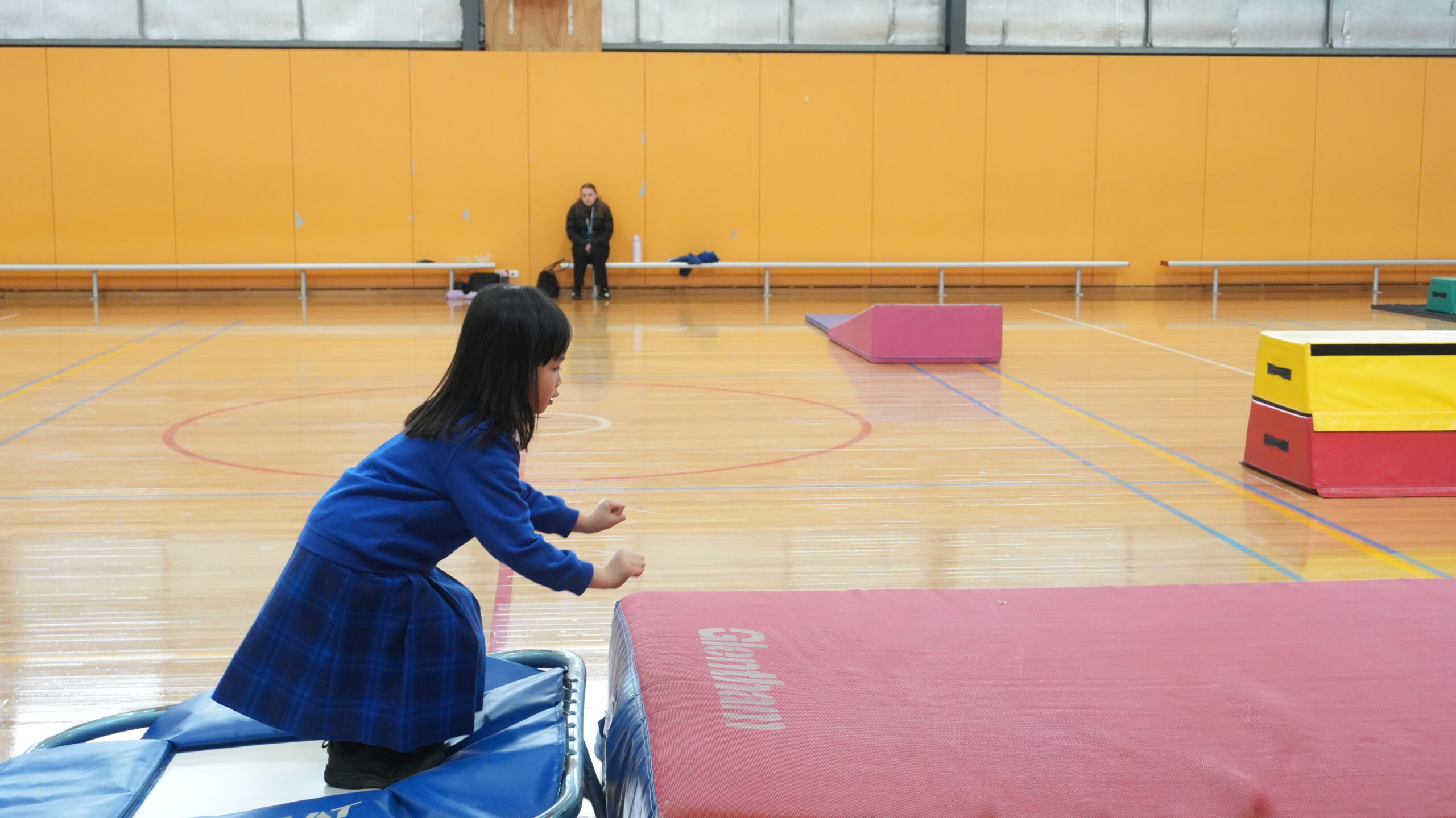
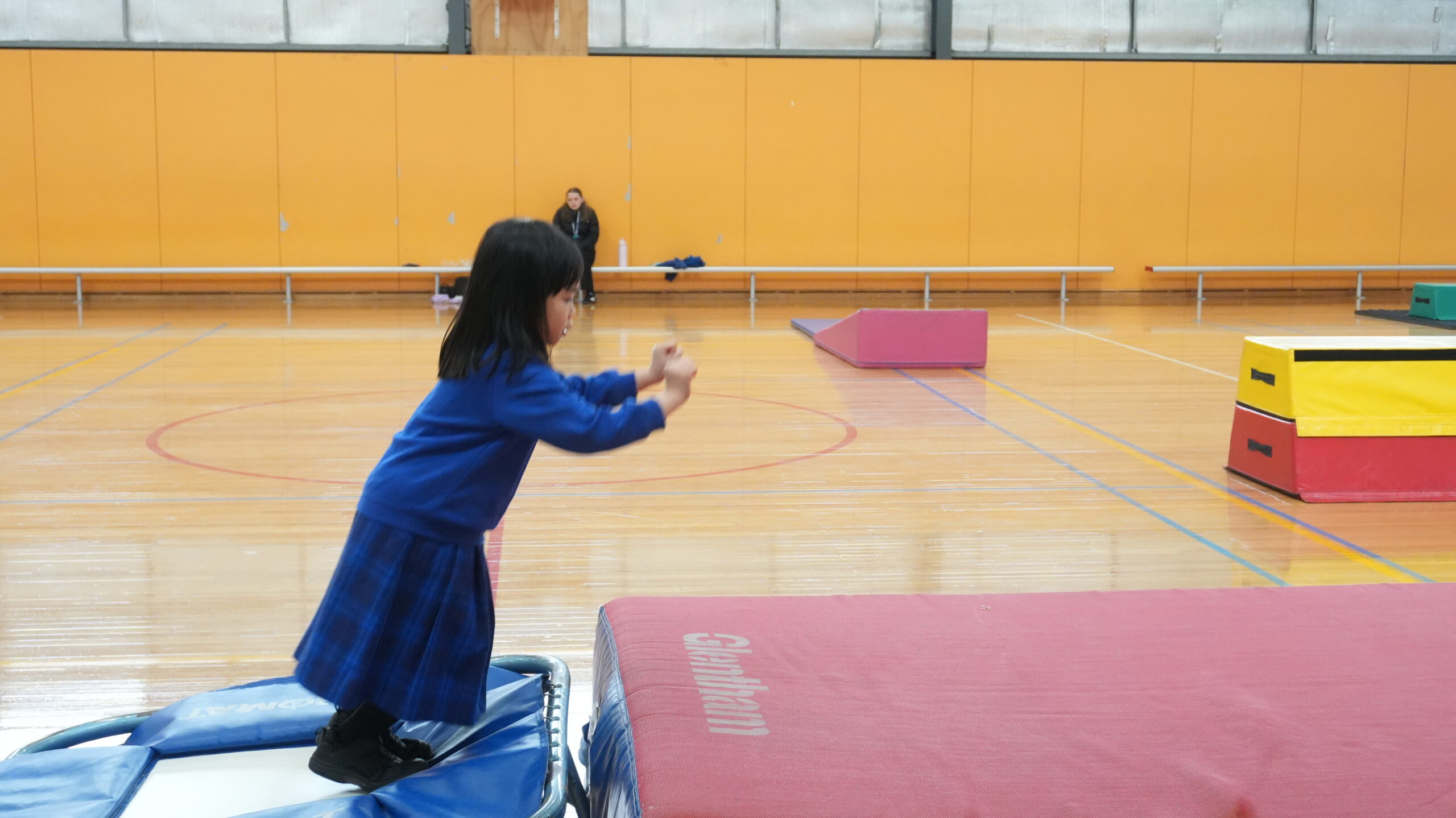
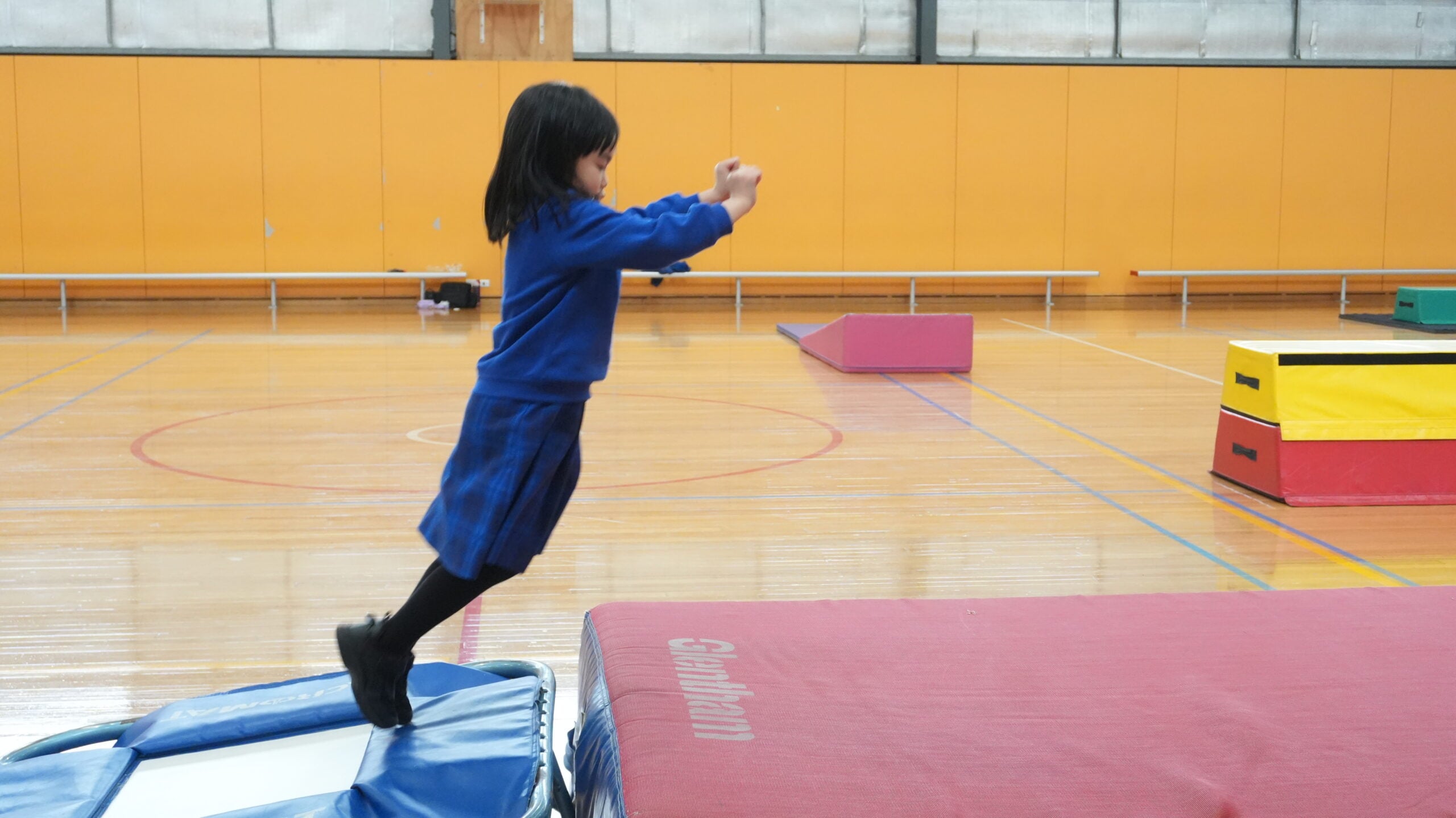
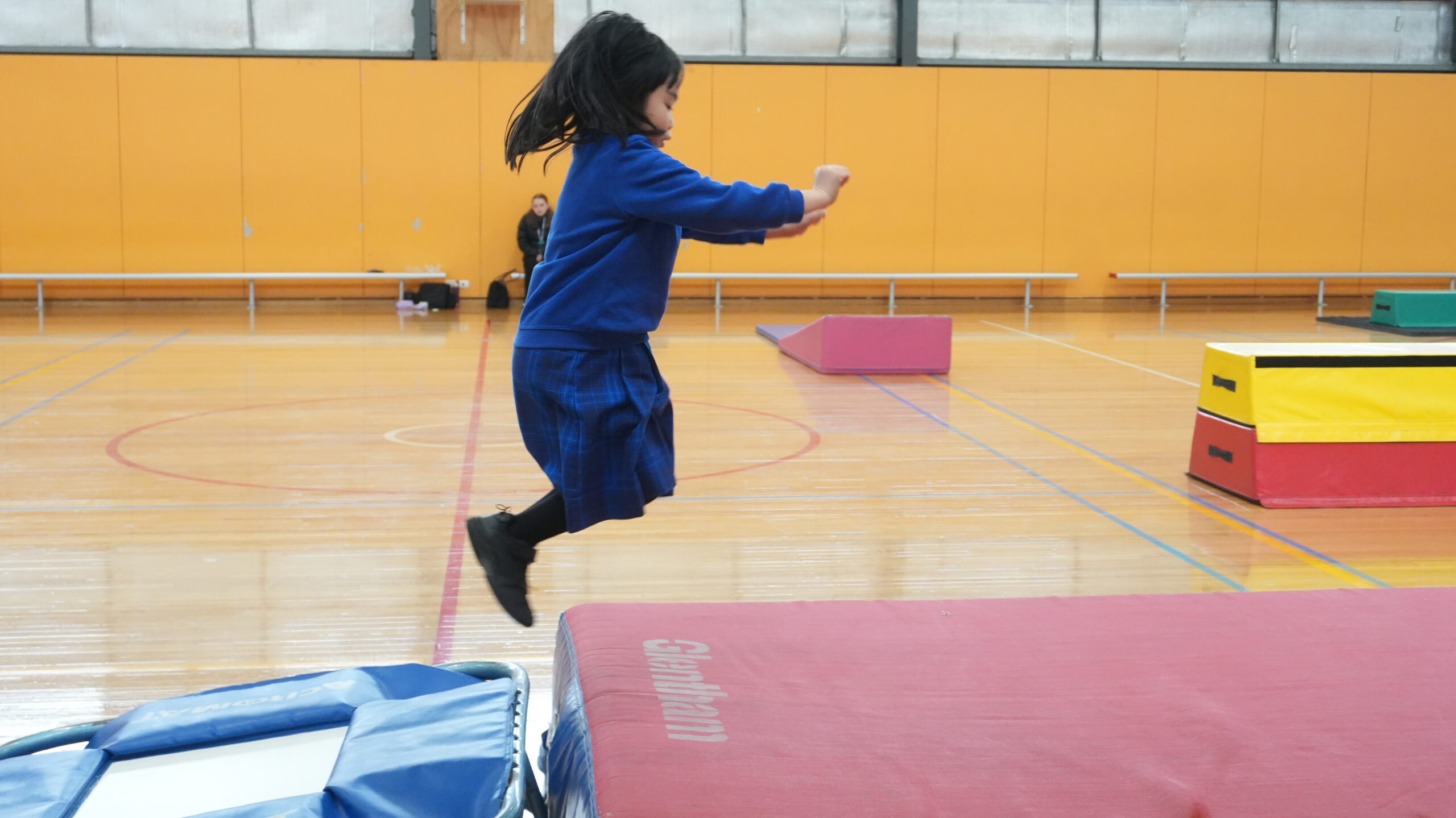
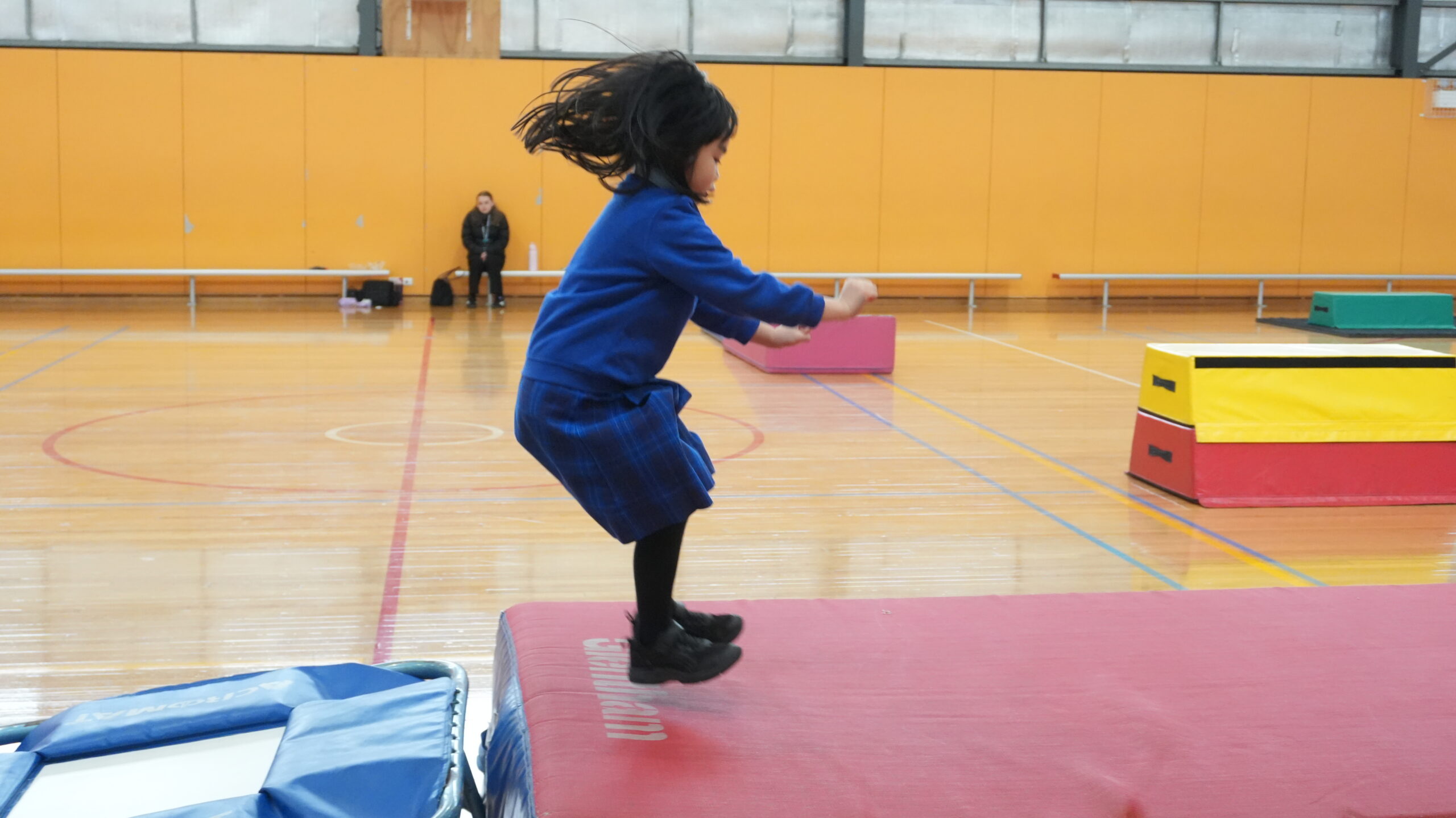
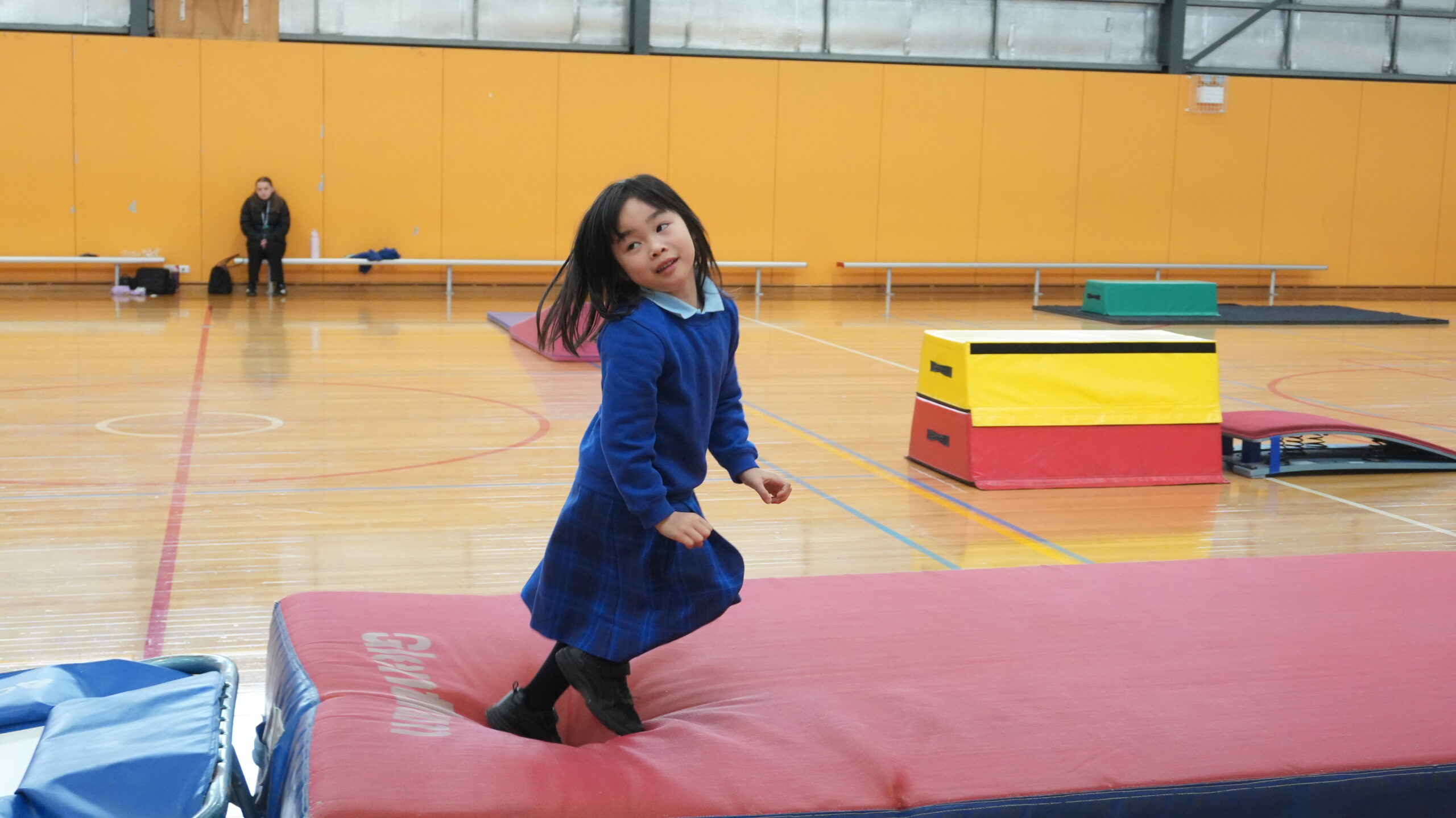
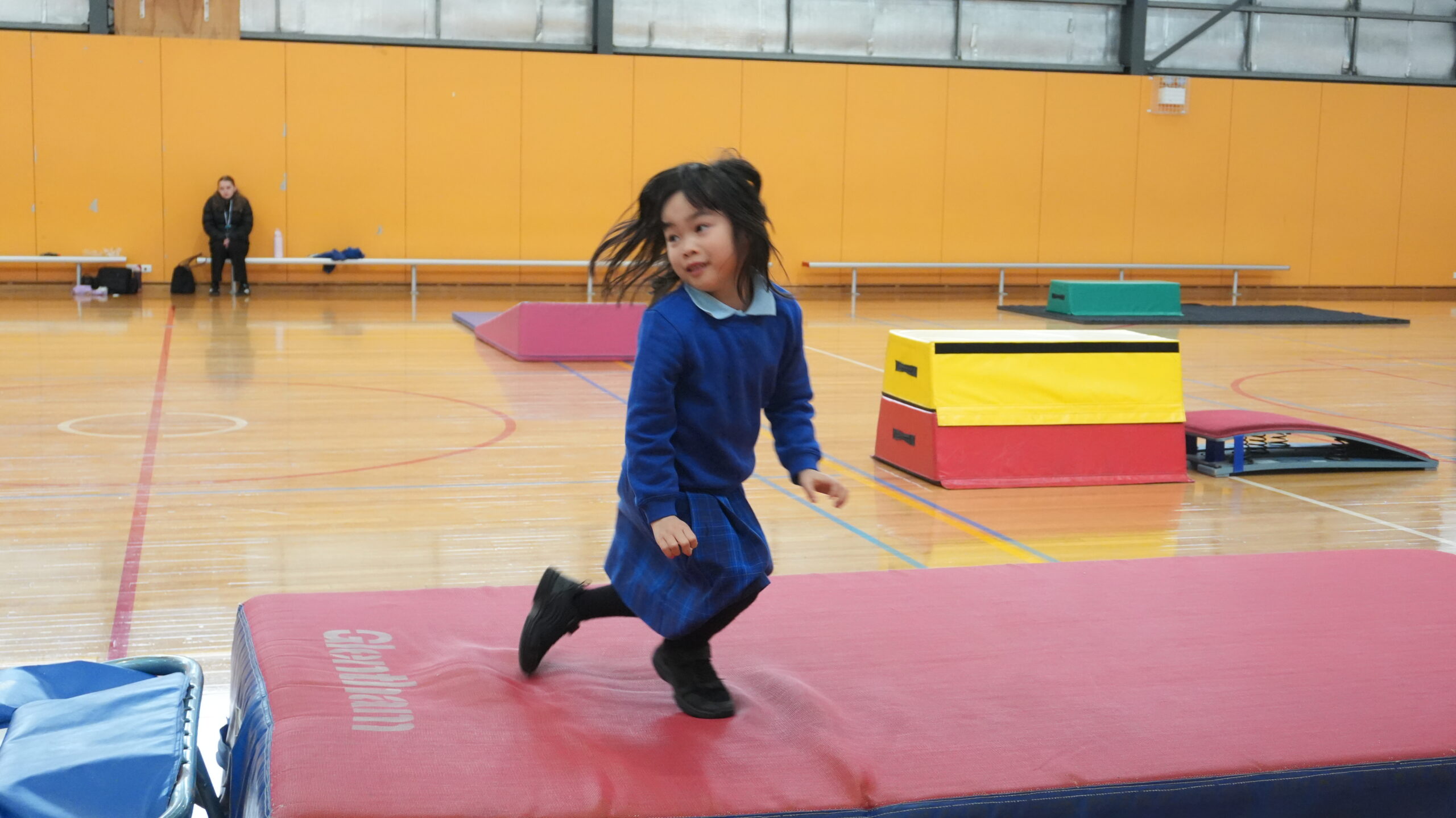
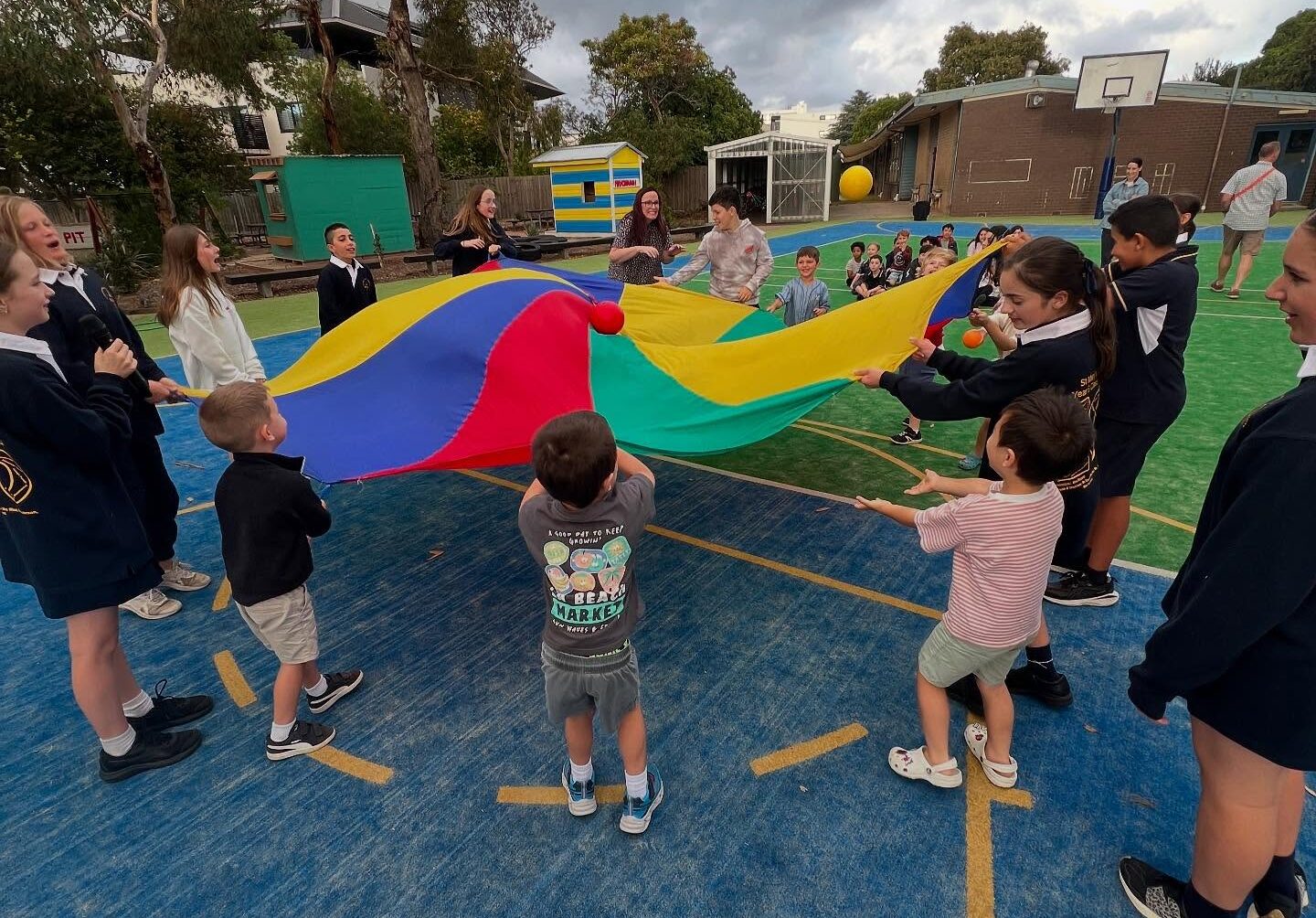
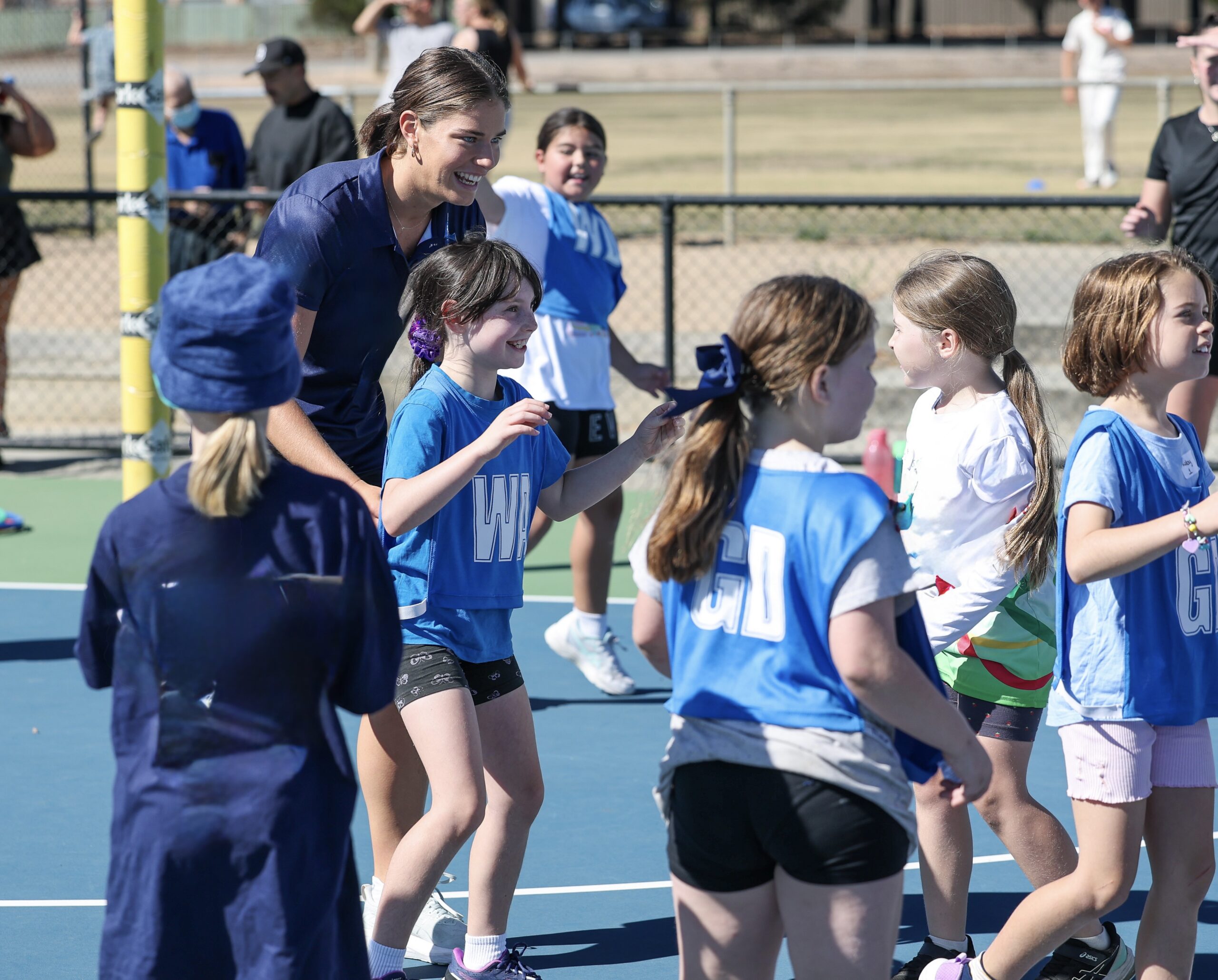
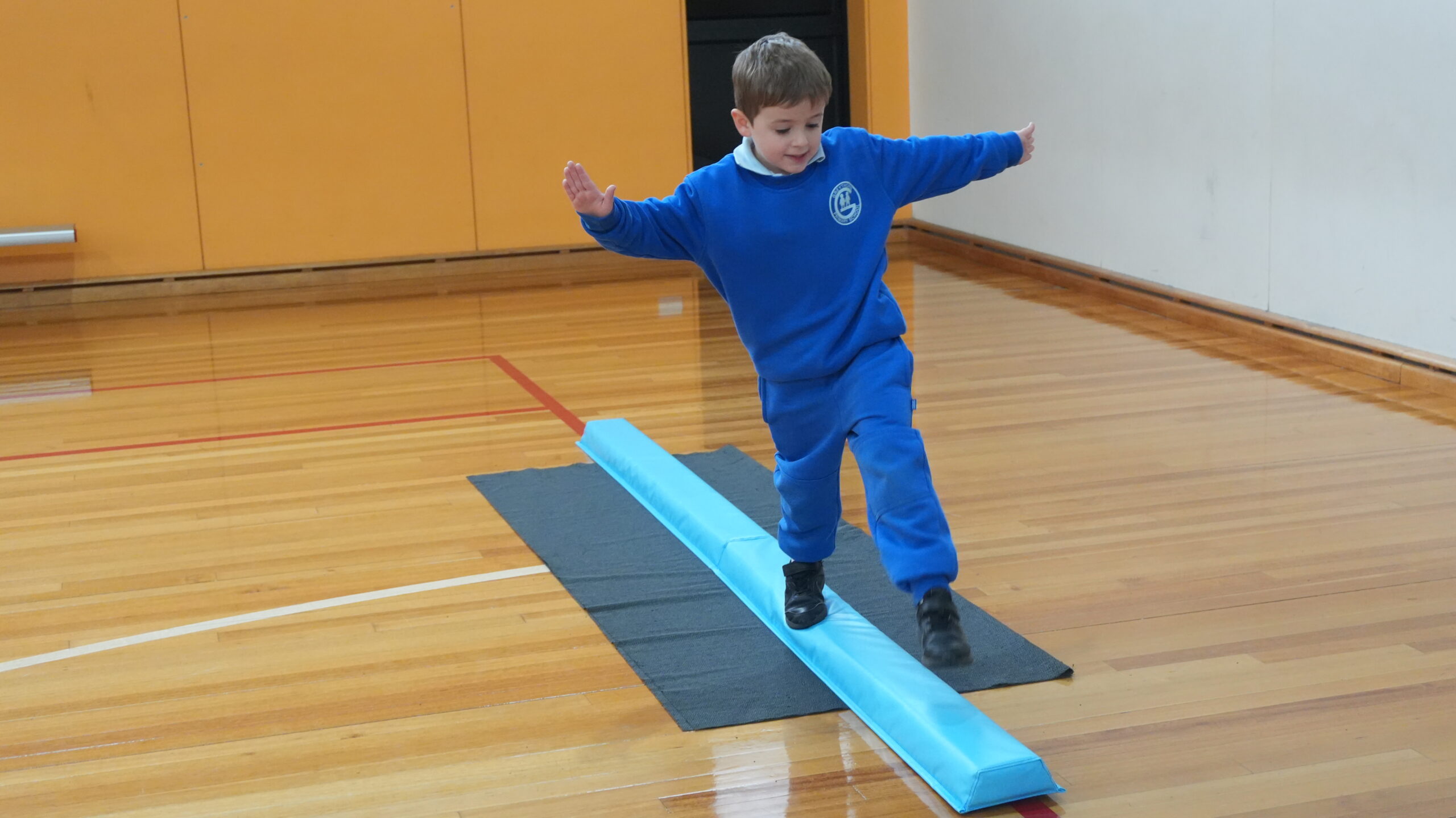
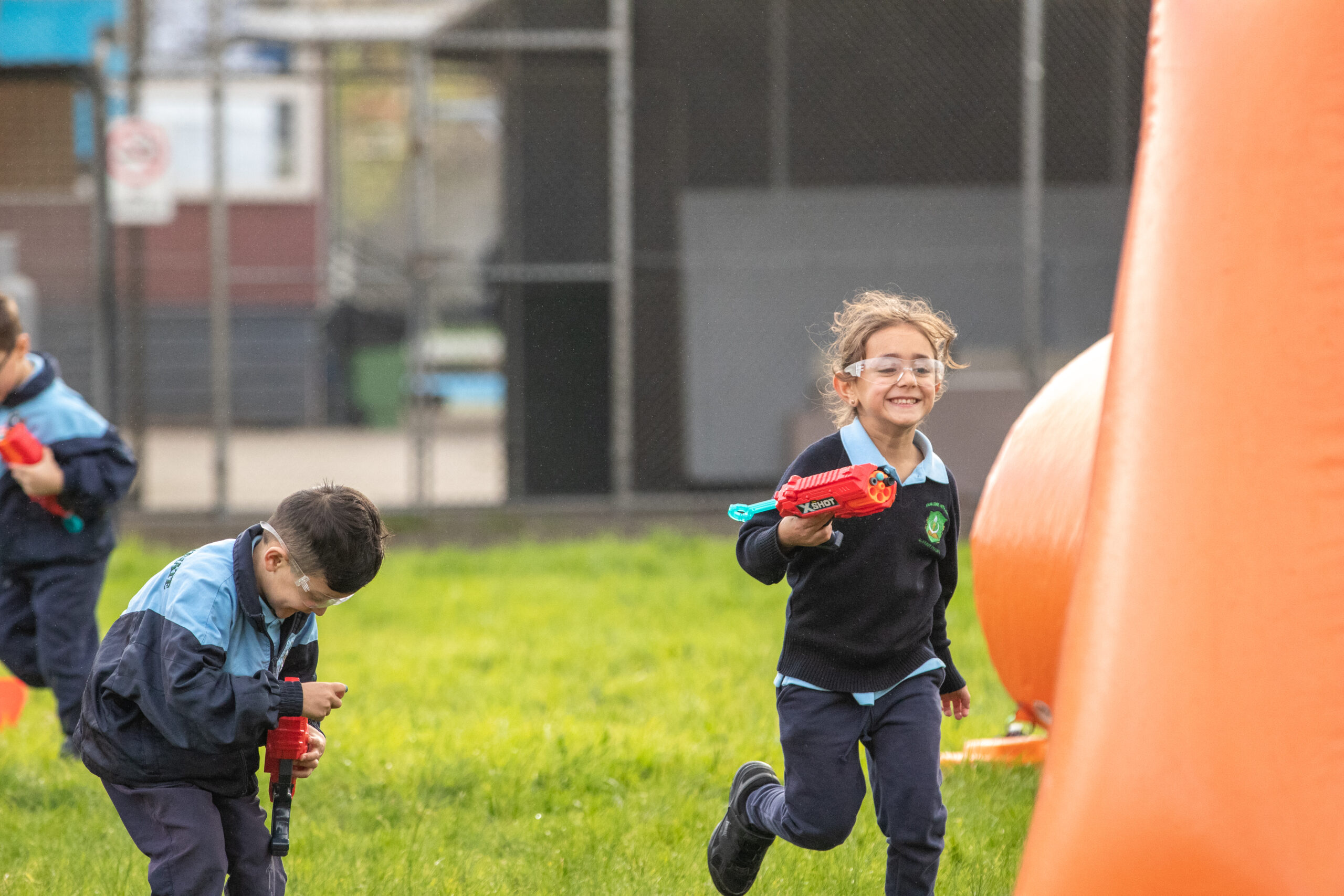
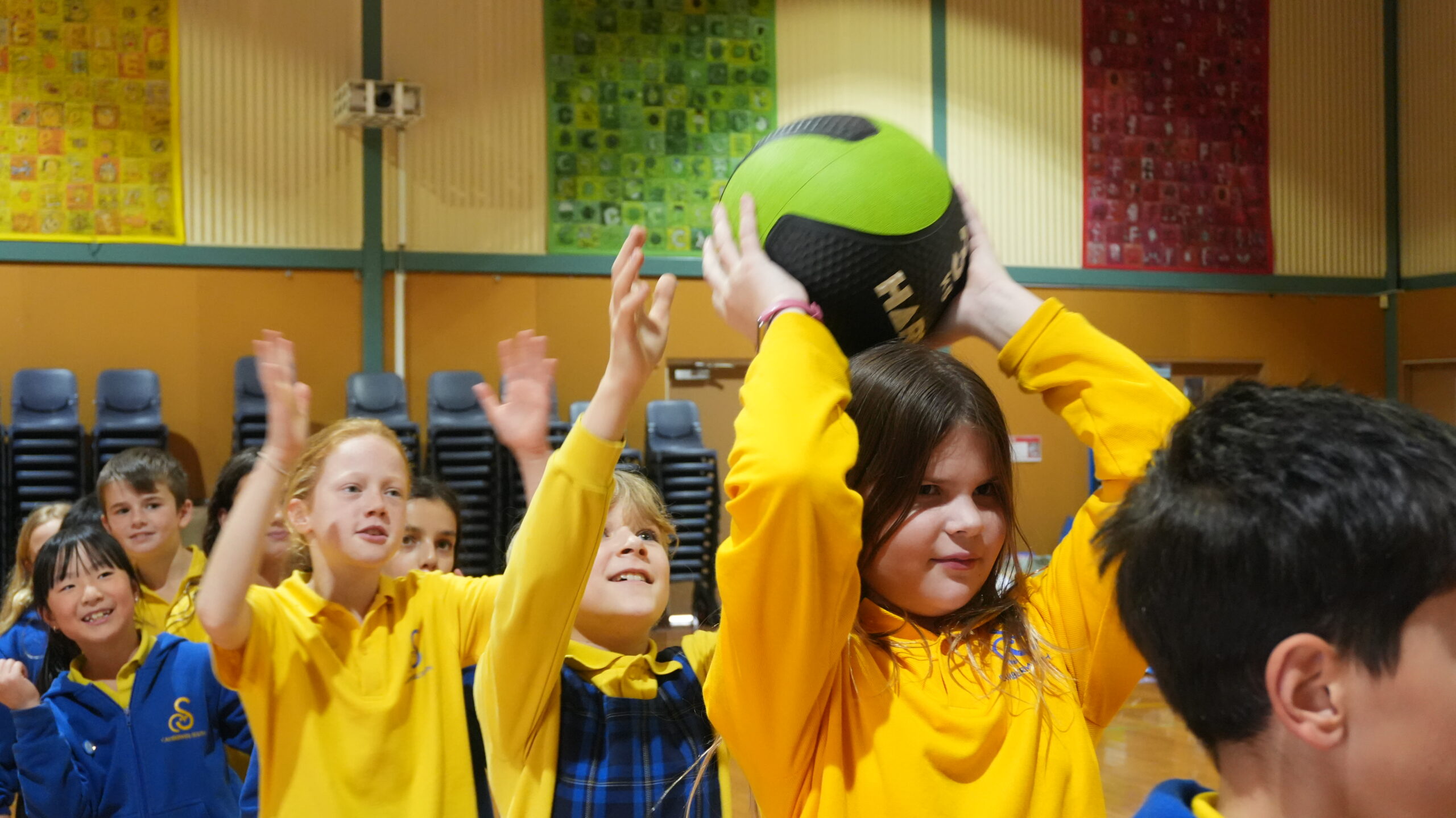
Working in Schools across Victoria each week, I have the opportunity to engage with thousands of students through Wellbeing Programs, Fitness Activities, Self-Defence Workshops, Dance, Archery, and other Movement-based Incursions. While every School Community is different, some clear patterns are emerging.
Many students seem to be craving movement more than ever, although they may not consciously realise it.
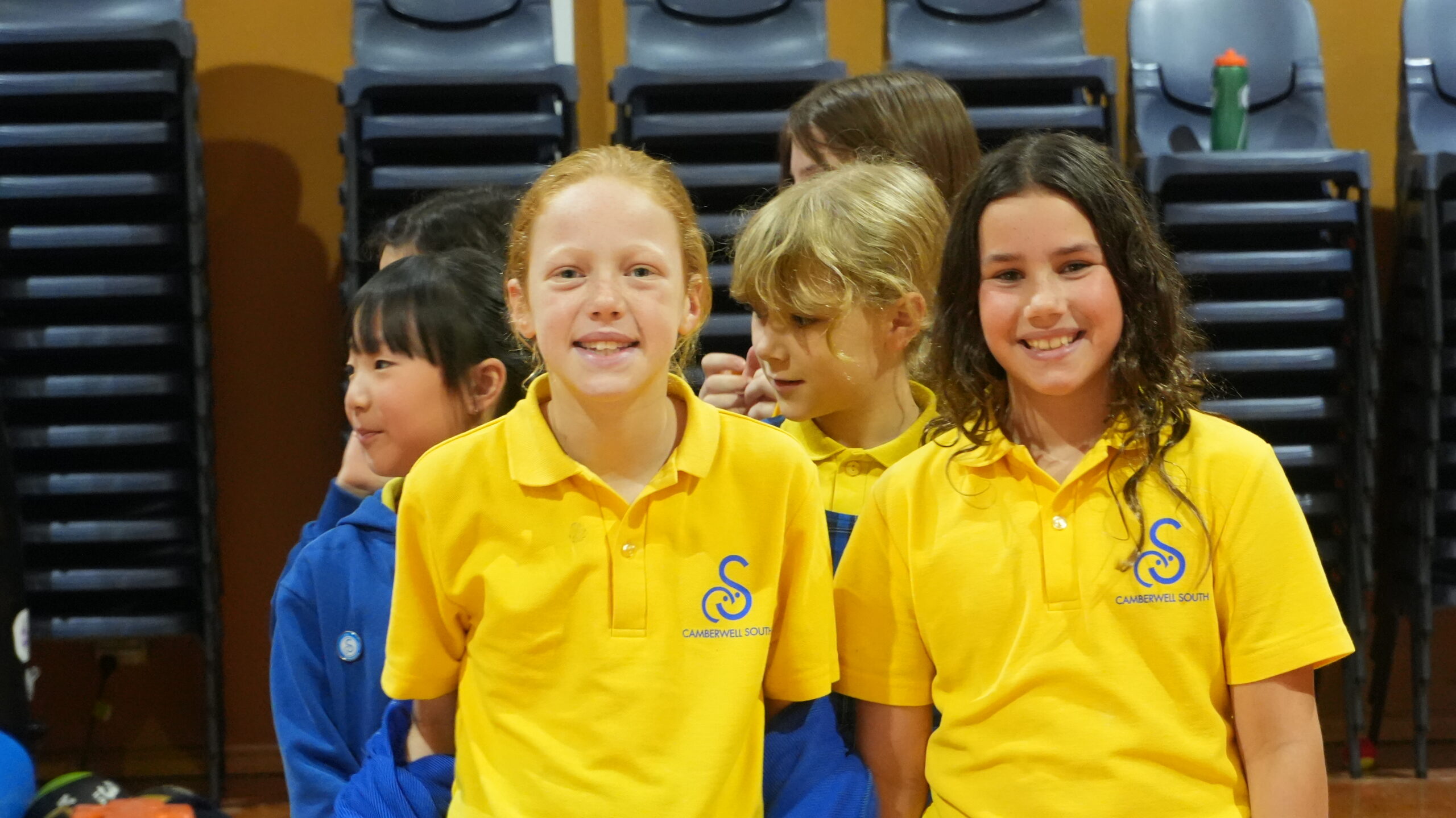
During program debriefs, students consistently report feeling calmer, happier, more focused and more at ease than they did at the beginning of the Session. Even students who initially appear resistant or disengaged often experience noticeable improvements in their mood, energy, and overall well-being.
According to the Australian Government Department of Health and Aged Care, children aged 5 to 17 years should accumulate at least 60 minutes of ‘moderate to vigorous’ physical activity each day. However, data from the Australian Institute of Health and Welfare shows that many Australian children and adolescents are still not meeting these recommendations.
This matters because movement is about far more than physical health.
Research published in The Lancet Child & Adolescent Health has linked regular physical activity to improved mental health outcomes, including reduced symptoms of anxiety, stress and depression. Exercise has also been shown to support emotional regulation, improve sleep quality, increase concentration, and enhance cognitive performance.
In Educational settings, movement has been associated with improved classroom engagement and learning outcomes. Research from the University of Western Australia found that physically active children often demonstrate stronger attention spans, better memory retention, and improved academic performance compared to their less active peers.