ARE OUR CHILDREN MOVING ENOUGH?

9th of June 2026

As we move through the middle of 2026, it’s important to pause and reflect on this simple but powerful question: 

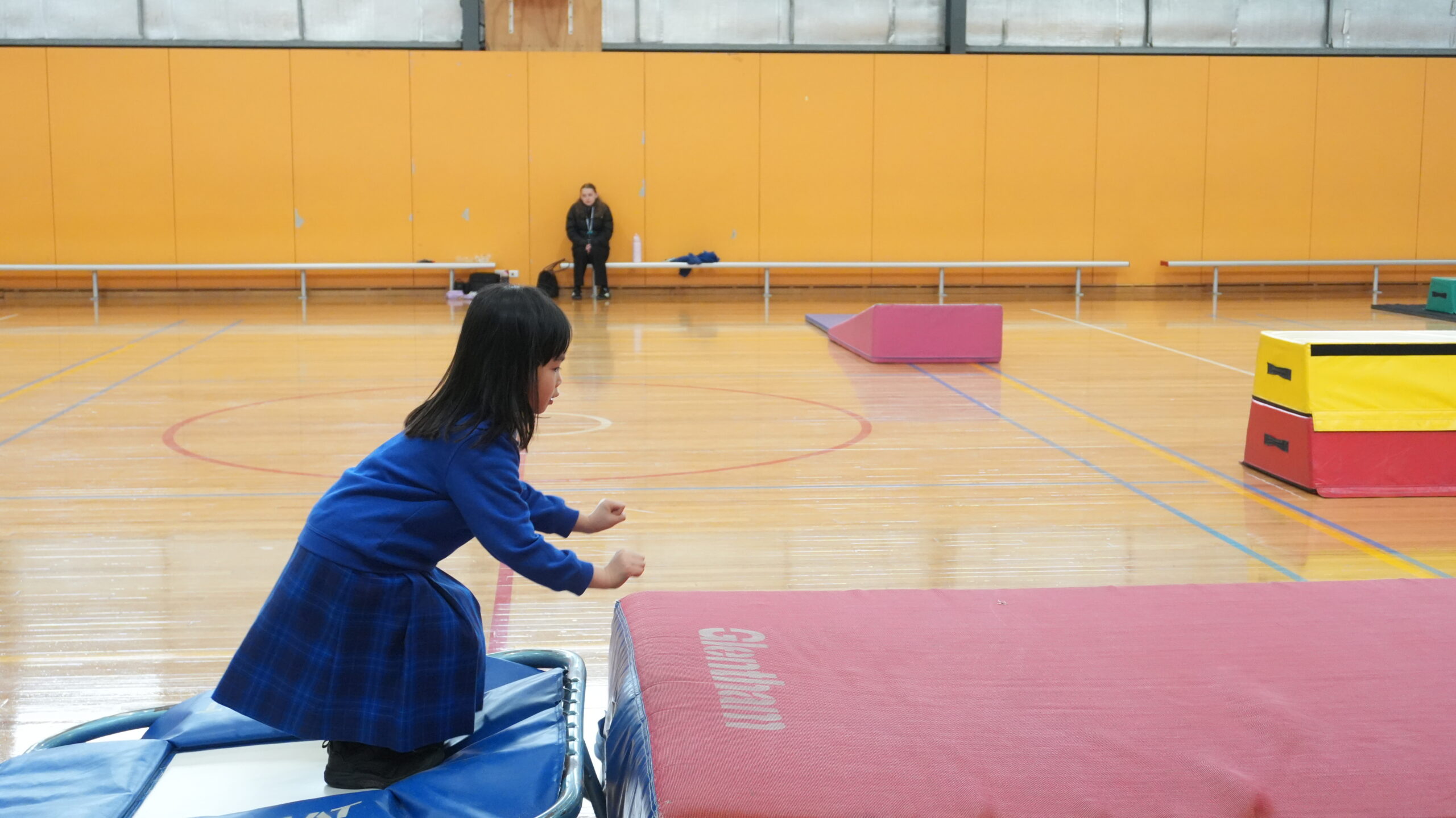
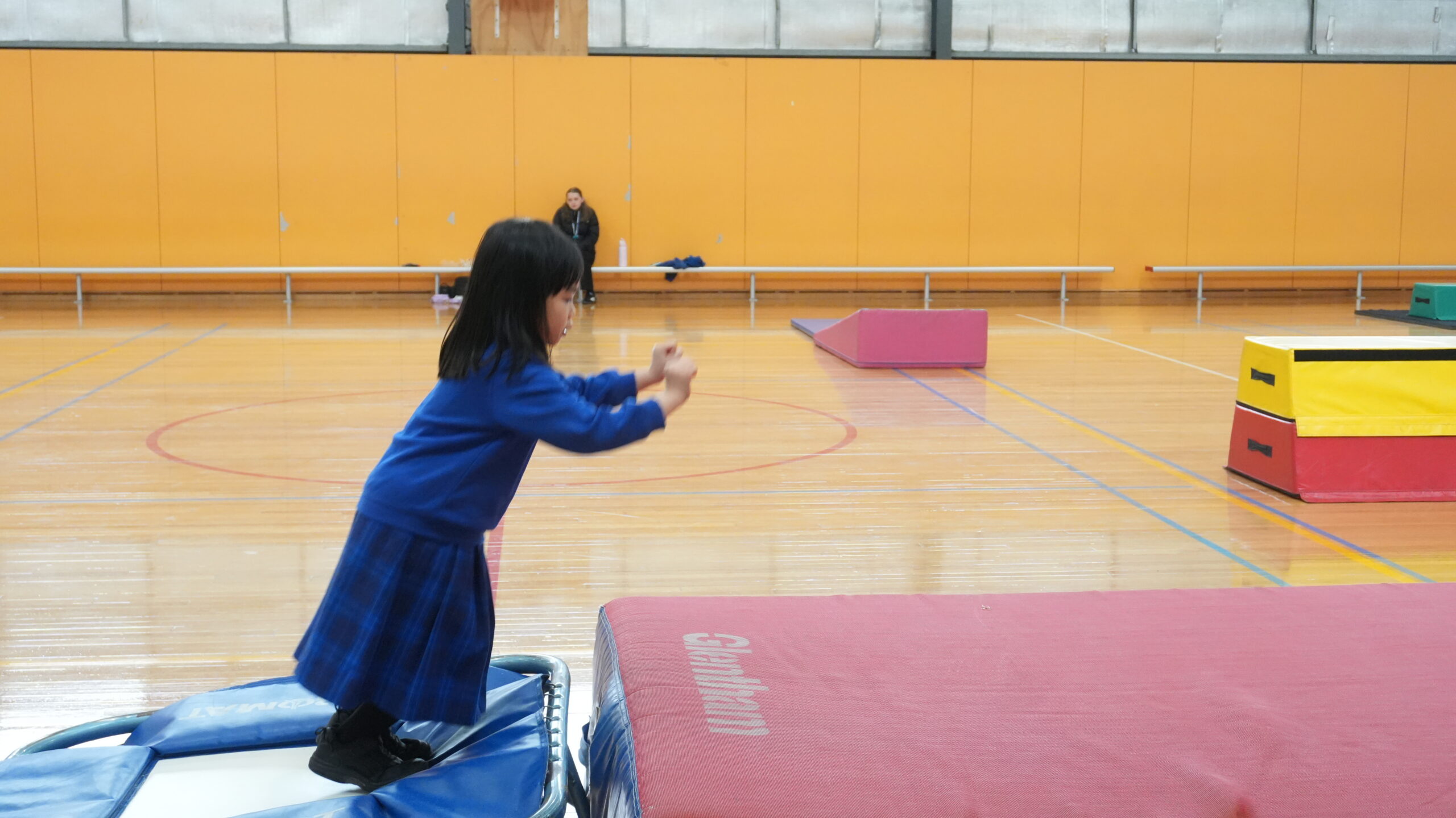
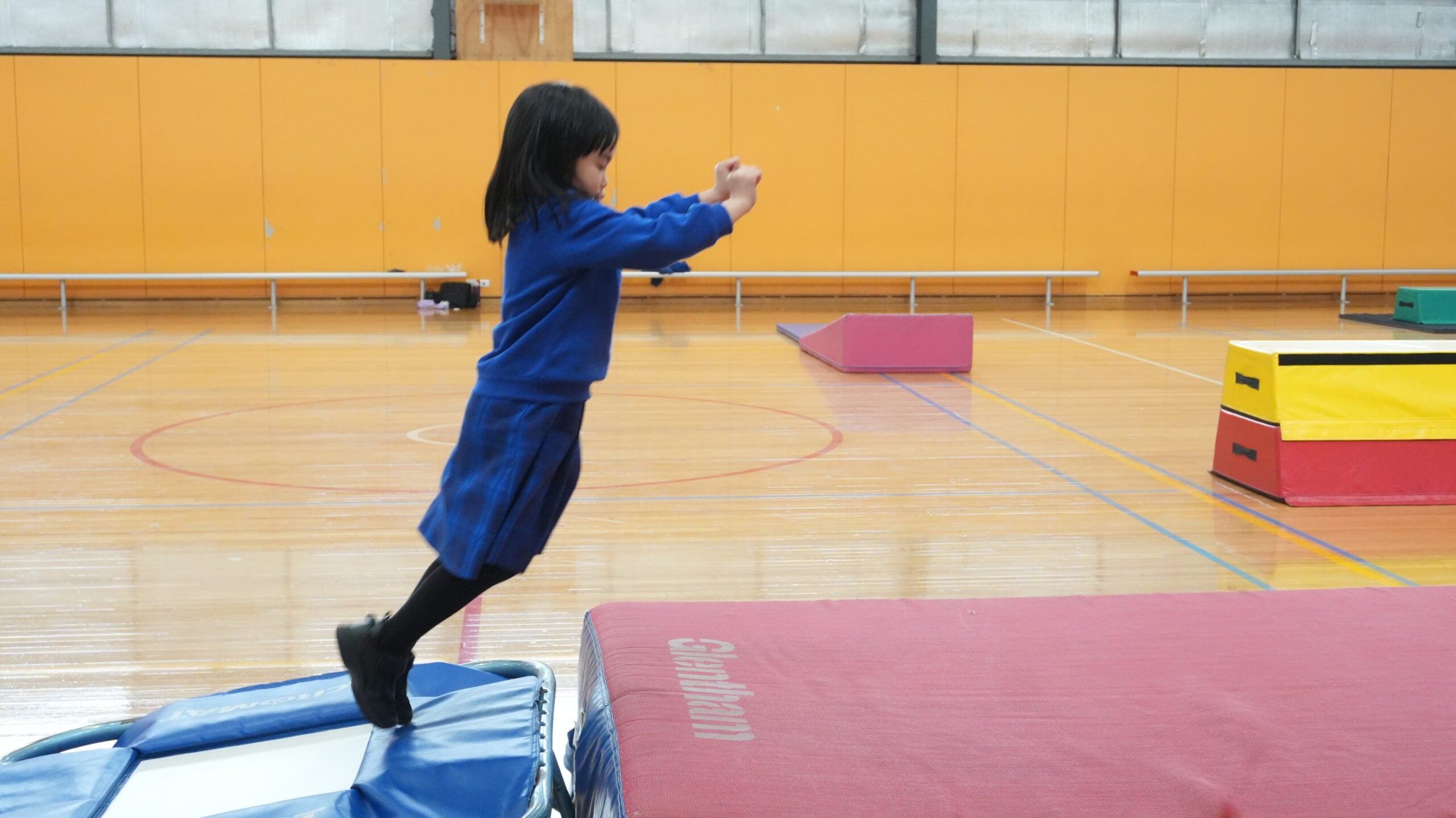
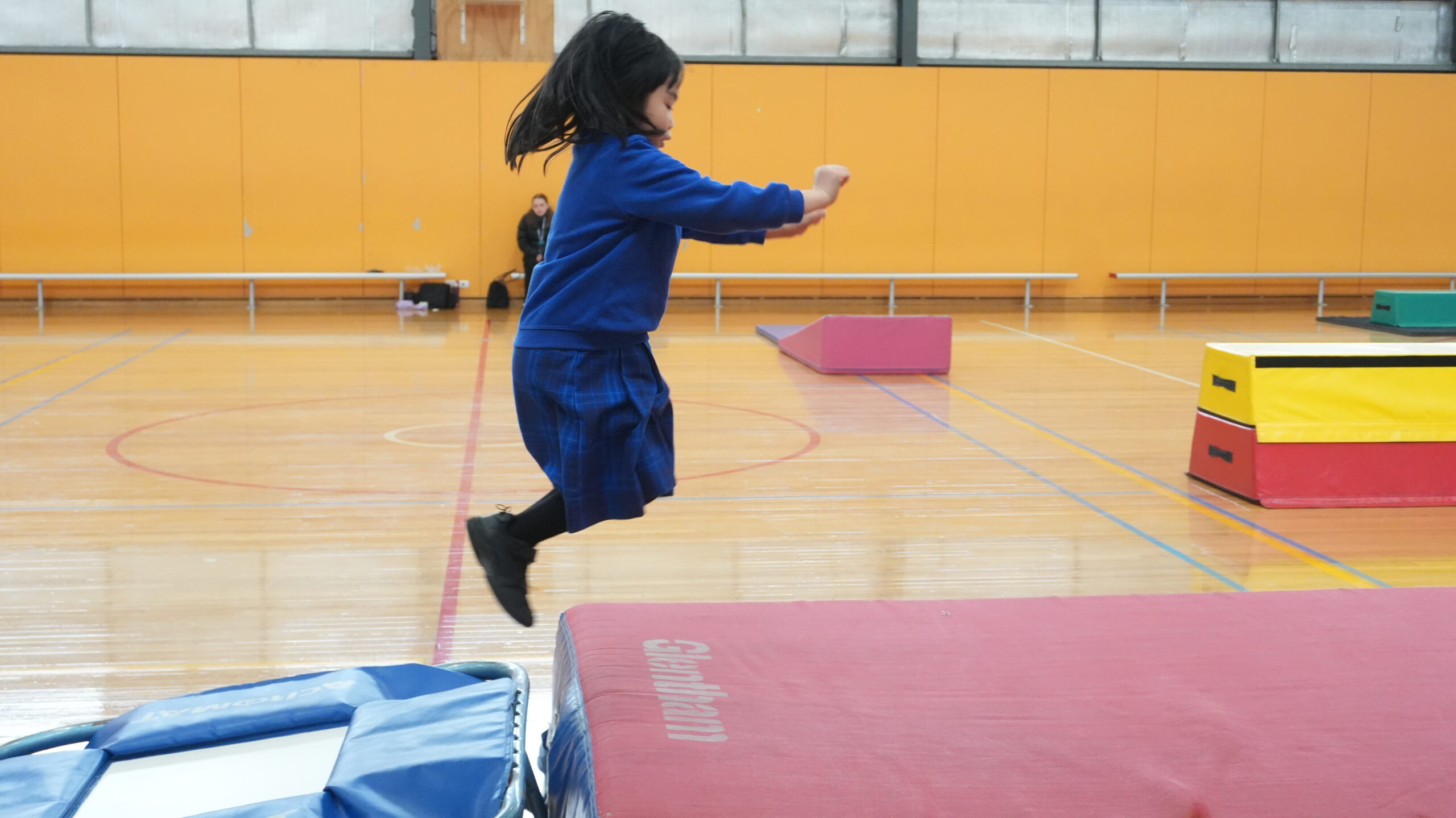
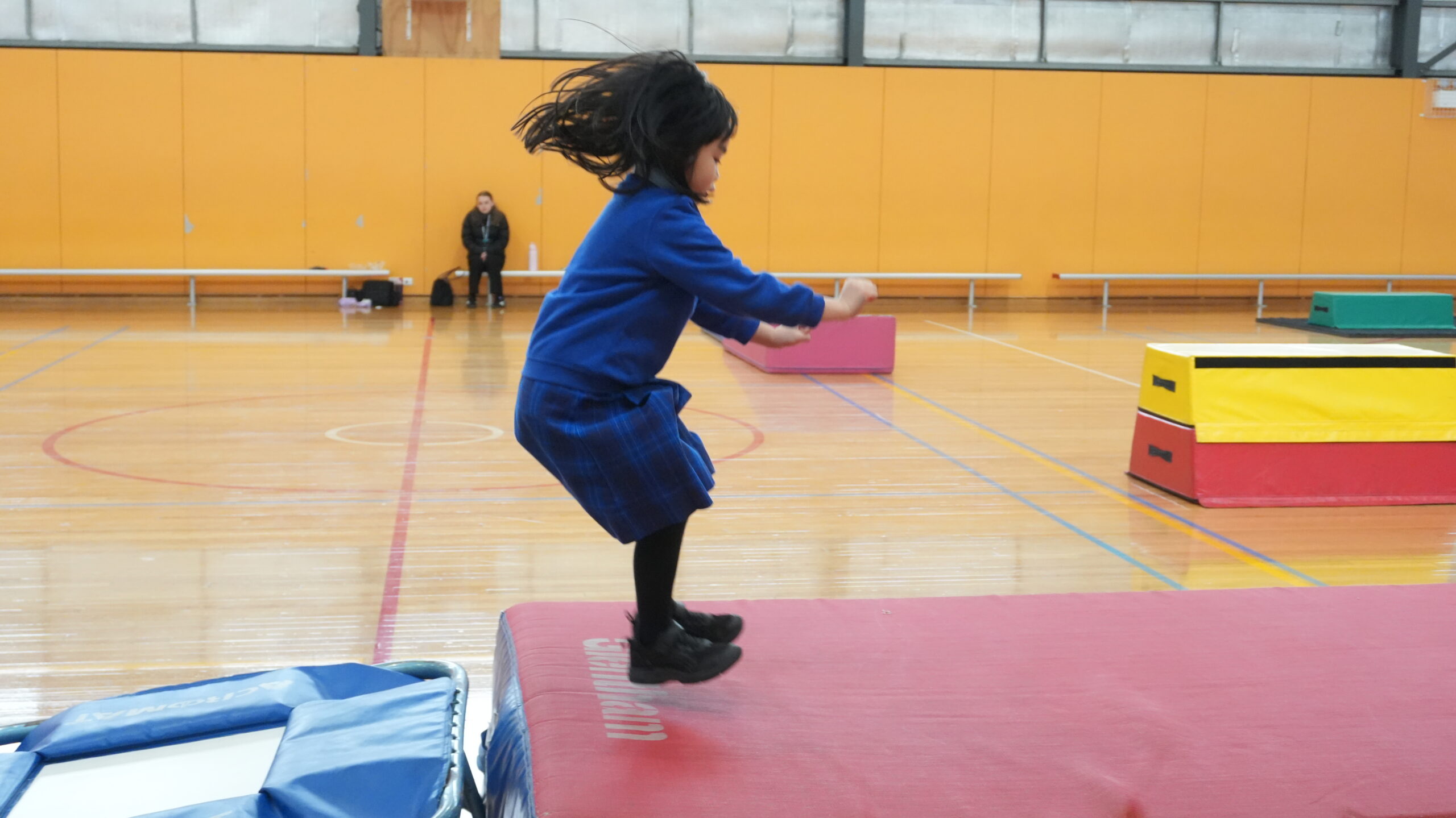
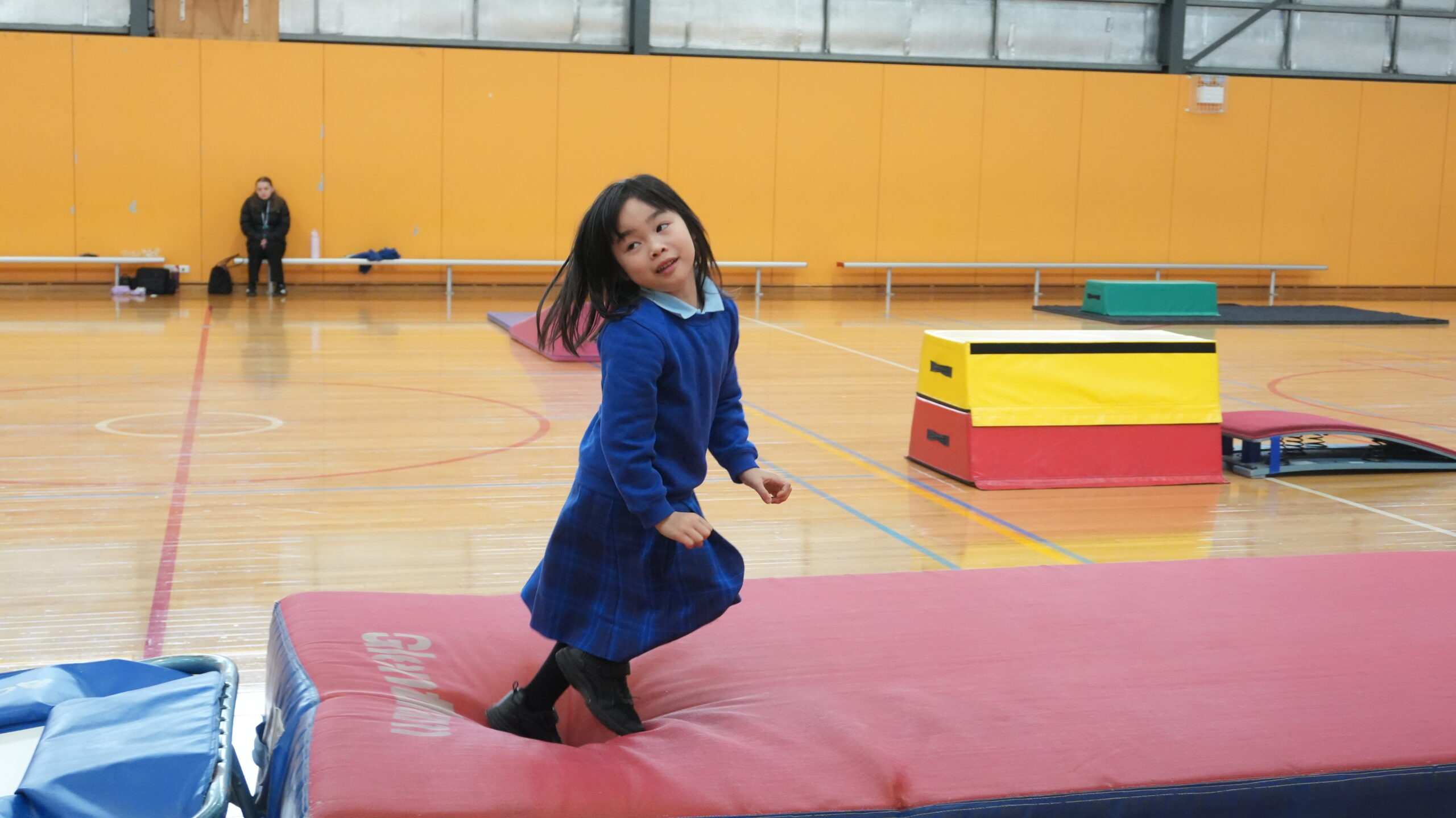
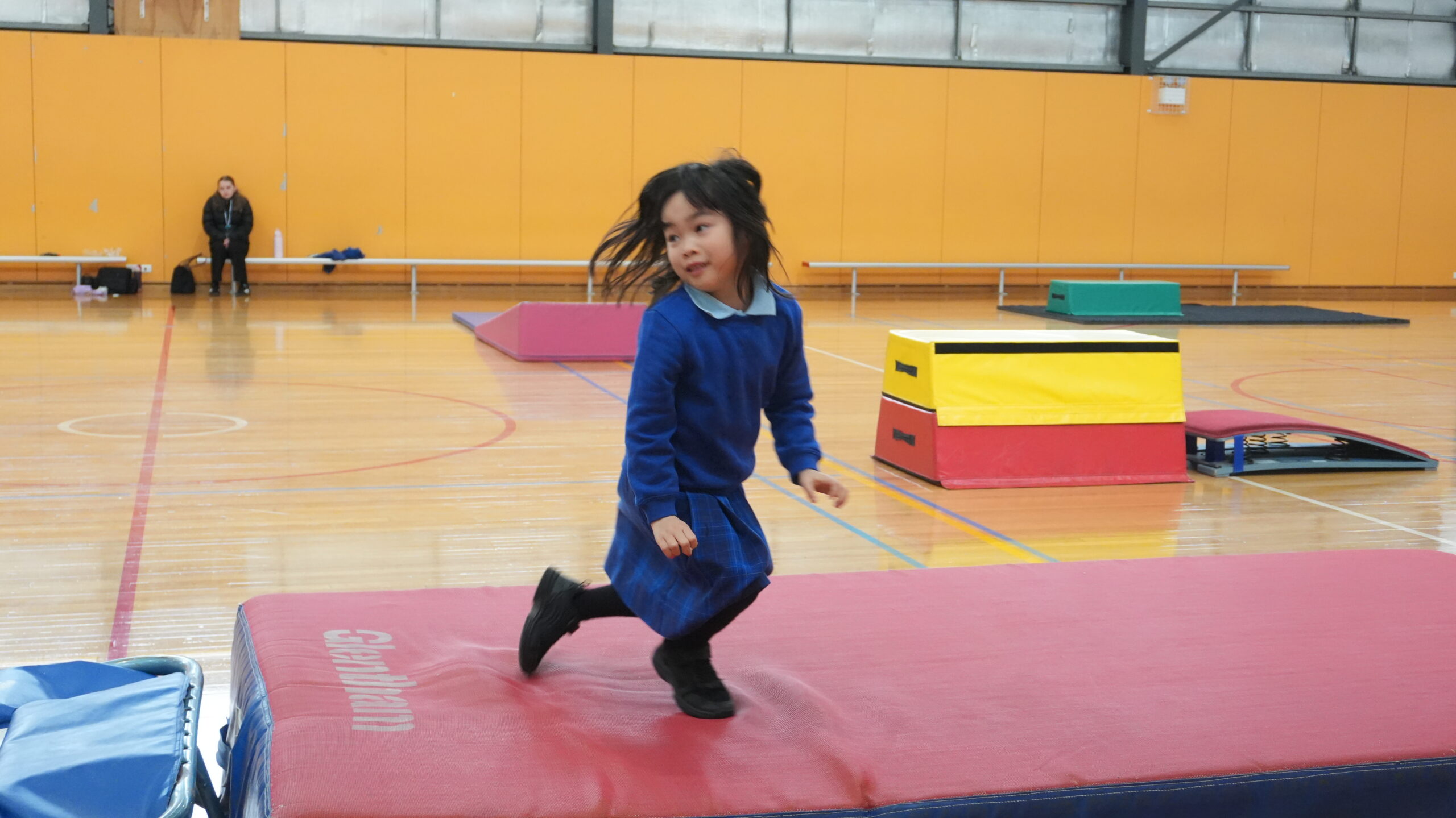
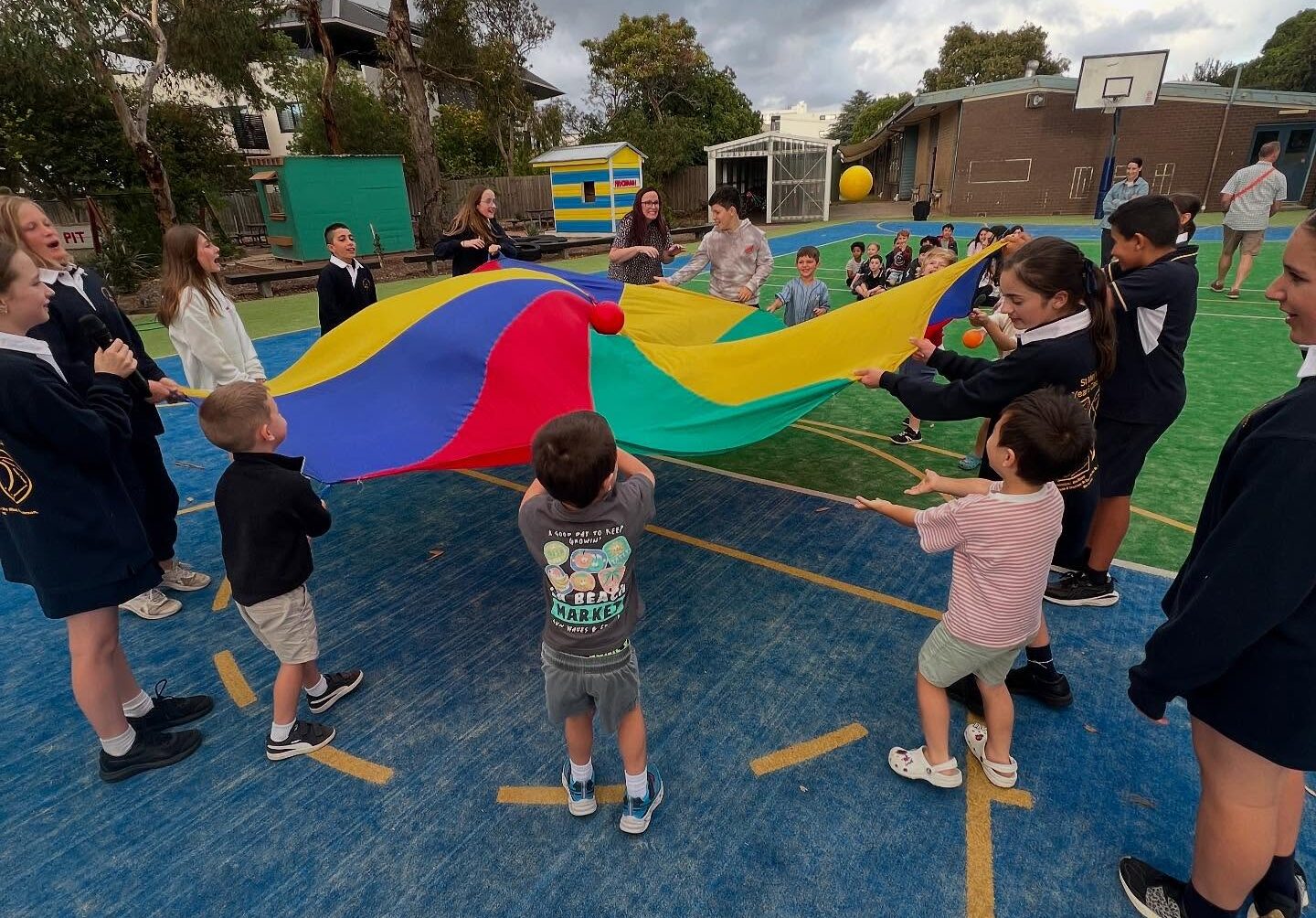
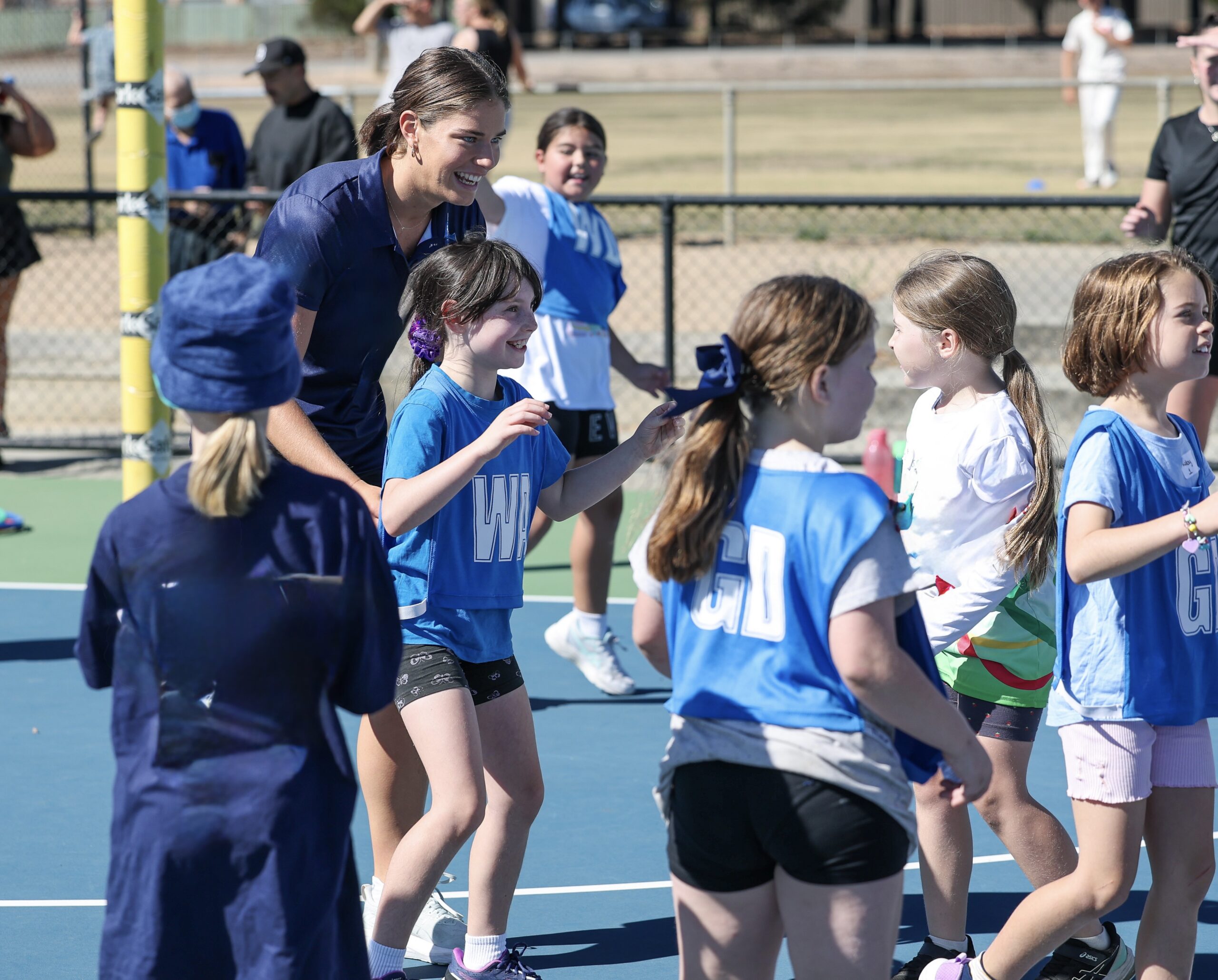
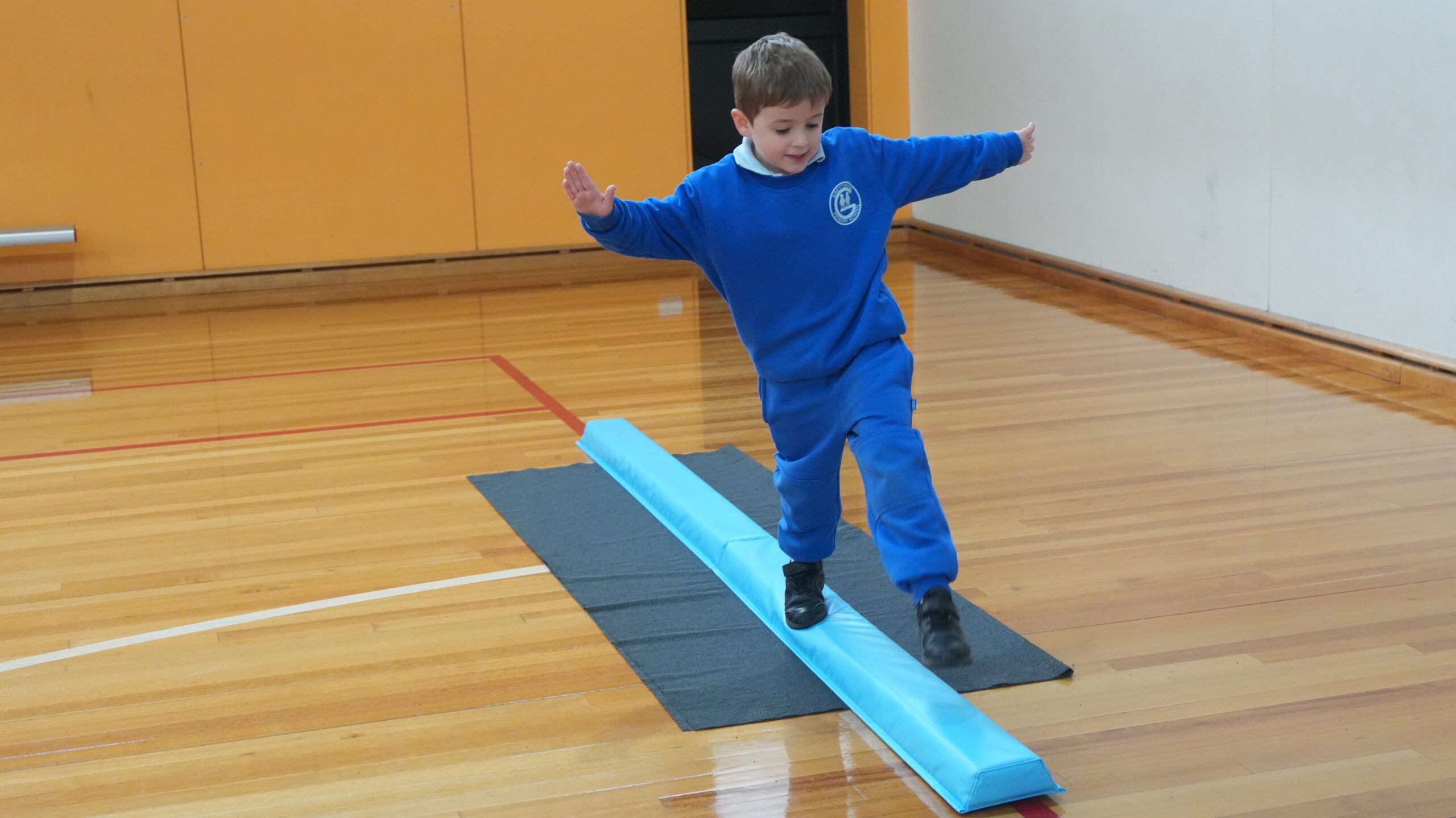
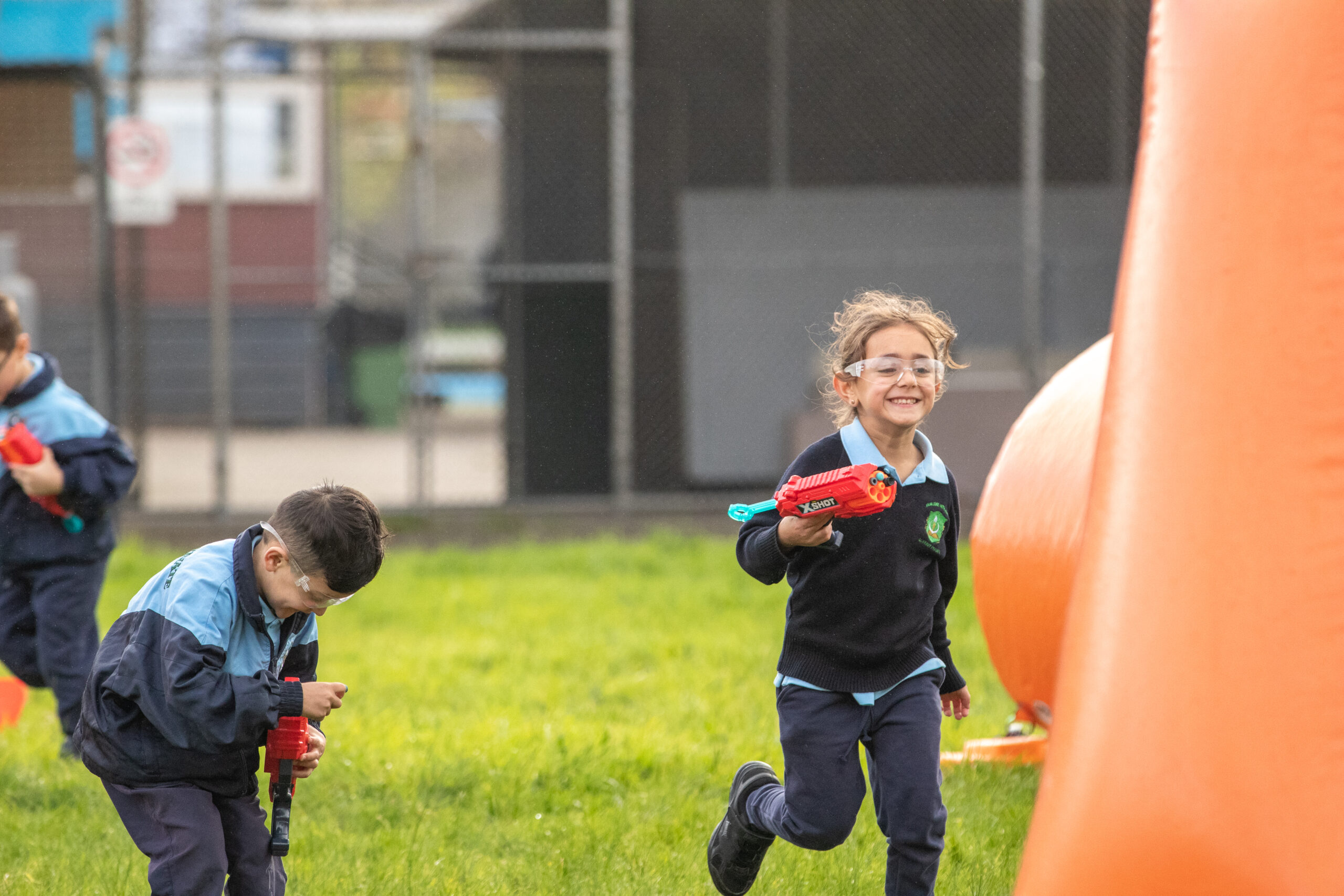
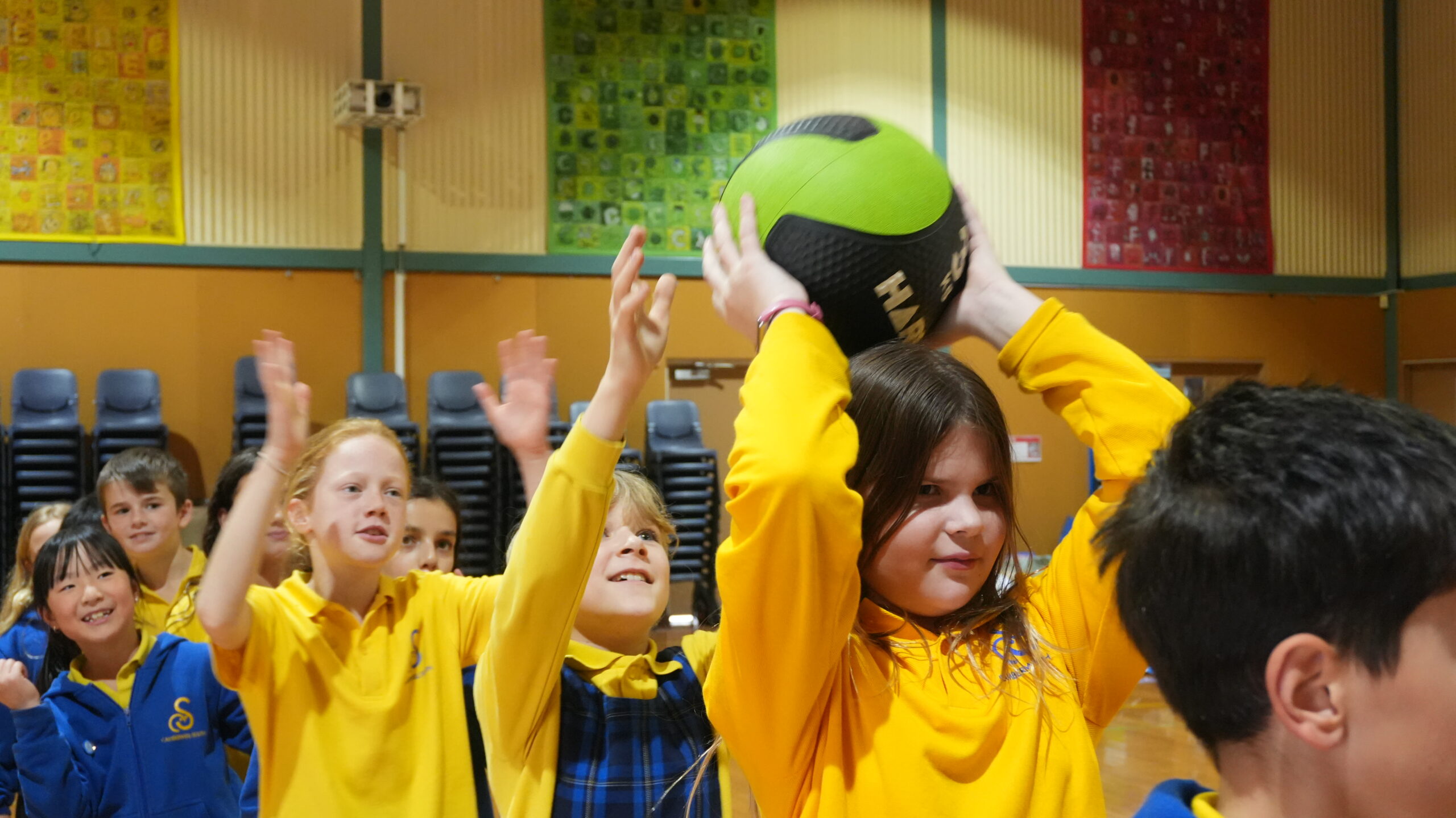
Working in Schools across Victoria each week, I have the opportunity to engage with thousands of students through Wellbeing Programs, Fitness Activities, Self-Defence Workshops, Dance, Archery, and other Movement-based Incursions. While every School Community is different, some clear patterns are emerging.

So, are our children moving enough…..?

the evidence suggests MANY are not

Many students seem to be craving movement more than ever, although they may not consciously realise it.

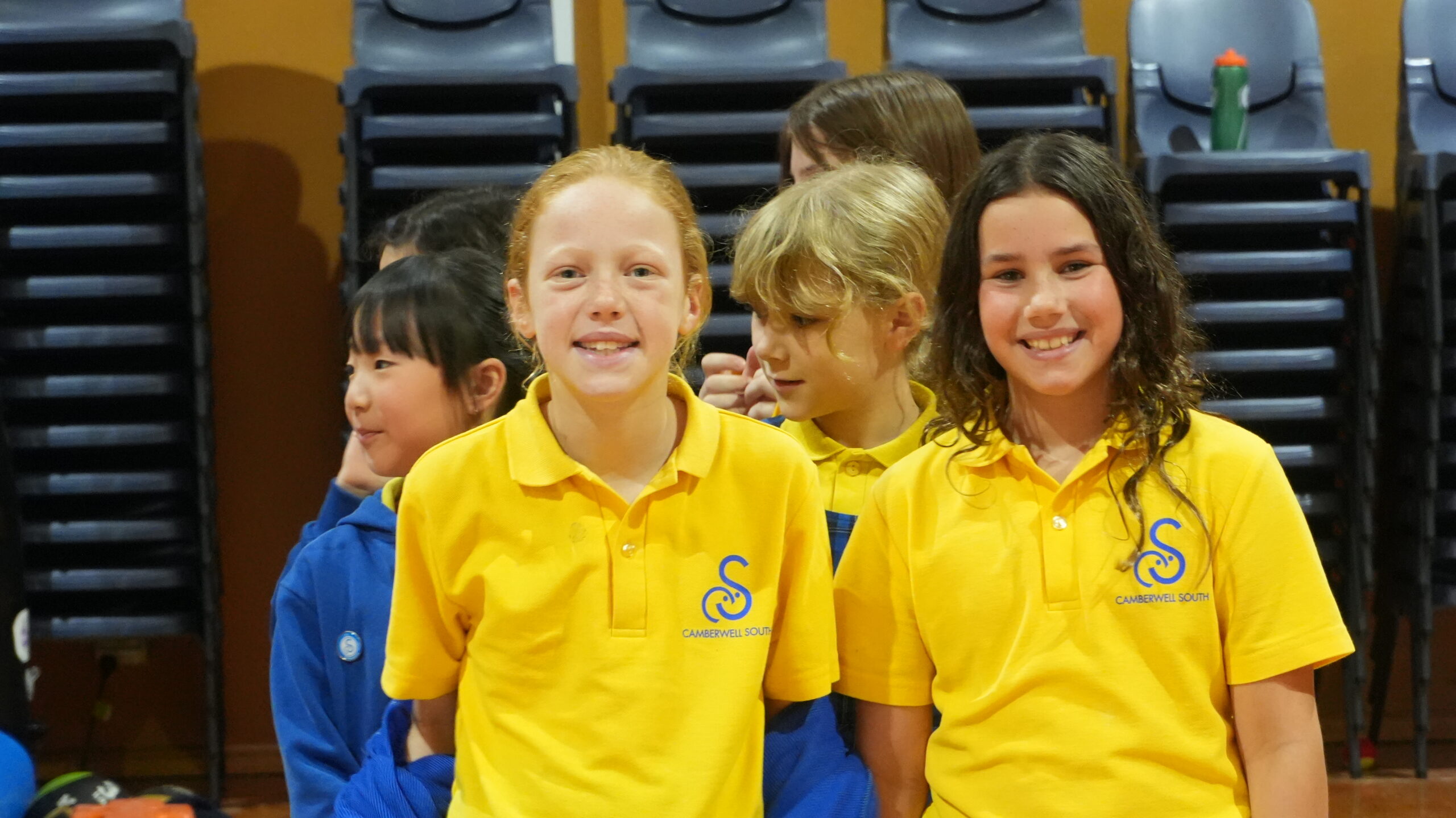
During program debriefs, students consistently report feeling calmer, happier, more focused and more at ease than they did at the beginning of the Session. Even students who initially appear resistant or disengaged often experience noticeable improvements in their mood, energy, and overall well-being.

According to the Australian Government Department of Health and Aged Care, children aged 5 to 17 years should accumulate at least 60 minutes of ‘moderate to vigorous’ physical activity each day. However, data from the Australian Institute of Health and Welfare shows that many Australian children and adolescents are still not meeting these recommendations.

This matters because movement is about far more than physical health.

Research published in The Lancet Child & Adolescent Health has linked regular physical activity to improved mental health outcomes, including reduced symptoms of anxiety, stress and depression. Exercise has also been shown to support emotional regulation, improve sleep quality, increase concentration, and enhance cognitive performance.

In Educational settings, movement has been associated with improved classroom engagement and learning outcomes. Research from the University of Western Australia found that physically active children often demonstrate stronger attention spans, better memory retention, and improved academic performance compared to their less active peers.

what becomes obvious during school programs is how naturally, children still want to move when given the opportunity

I regularly see students who begin sessions withdrawn, restless, hesitant, or disengaged become more involved once movement removes the pressure of simply sitting and talking. Interestingly, this is not only true for highly energetic students. Students who are comfortable sitting quietly in the background often become more engaged and confident through movement based Activities.

Research from Harvard Medical School and the U.S. Centres for Disease Control and Prevention has also shown that regular physical activity can positively impact brain function, mood regulation, stress management, and social well-being in young people. Physical activity has even been associated with improved nervous system regulation and increased endorphin production, helping students feel calmer and more resilient.

It’s great to acknowledge that movement is necessary for children; however, it’s important to also acknowledge that movement does not need to look the same for every child. It may be Sport, Dance, Martial Arts, Gymnastics, Active Play, Walking, Stretching, or simply more opportunities to move throughout the School day through incidental exercise. The key is helping children build a positive relationship with movement rather than viewing it purely as exercise or competition.

Schools are already balancing increasing Academic, Behavioural and Wellbeing demands; however, one thing is becoming increasingly clear: 

Movement can no longer be viewed as an optional extra. It is an essential part of supporting healthy, engaged, and resilient young people.

Picture of Carmen Taylor

Carmen Taylor

Wellbeing Coordinator

Share This Post

Explore More

Uncategorized

How to beat the Winter Slump

Beating the winter slump With the winter school holidays kicking off today, the Proactivity team is sharing simple, creative strategies to help keep children active,

Uncategorized

Why Education Week Is Really About Building a Healthier Future

Schools are so much more than places of academic learning; they’re the foundations of healthy, connected communities. When we invest in education, we invest in the long-term well-being of every student, family and community they’re part of.