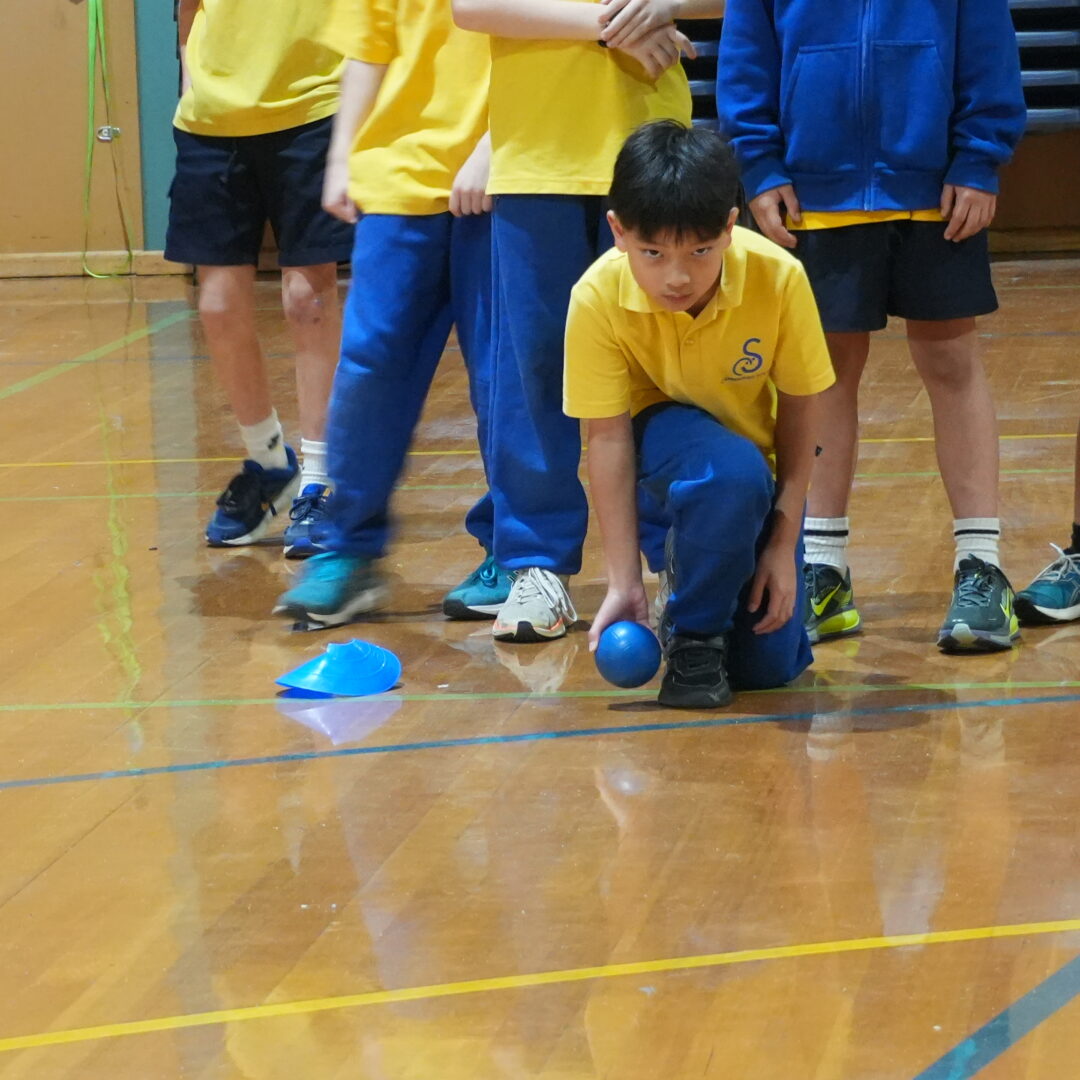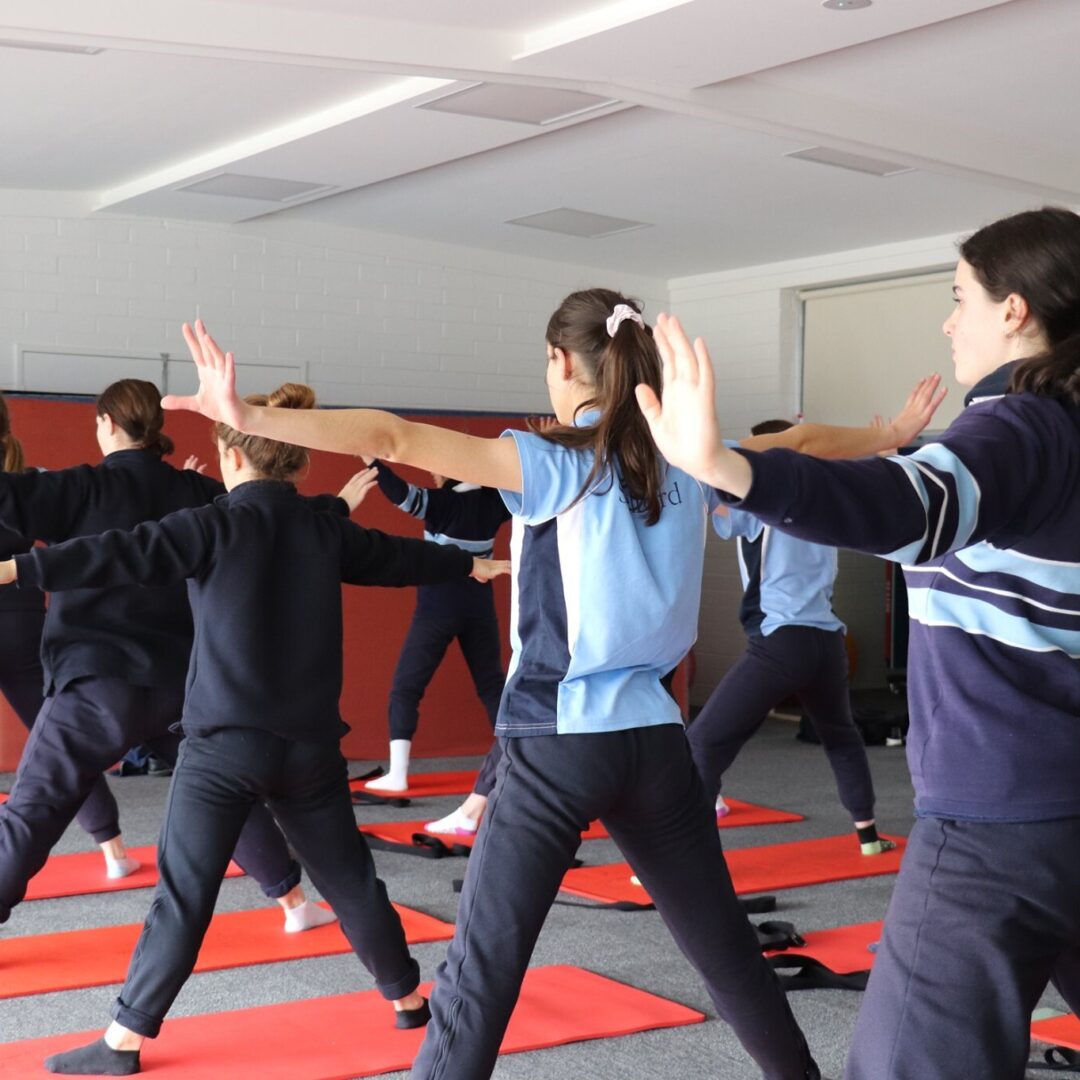
Working with children across Victorian schools, I see firsthand how closely movement and mental wellbeing are connected.
In conversations with teachers and wellbeing teams, it is wonderful to see this understanding becoming more widespread. Movement is no longer viewed as simply fitness or sport. It is increasingly recognised as an important way to support children’s emotional regulation, confidence, connection and readiness to learn.
Wellbeing Co-ordinator
The Australian Institute of Health and Welfare reports that participating in physical activity and limiting sedentary behaviour are central to children’s development and psychosocial wellbeing. Being active can positively affect children’s mental health, concentration, sleep, self-esteem and confidence. This reinforces the importance of viewing movement as part of a child’s overall wellbeing, rather than simply as sport or physical fitness.
This systematic review and meta-analysis examined the relationship between physical activity, sedentary behaviour and mental health across preschoolers, children and adolescents. The findings suggest that encouraging children to be more physically active, while reducing the amount of time they spend sedentary, may help protect their mental health. It also highlights that the relationship between movement and wellbeing begins early in life.
This systematic review and meta-analysis focused on physical activity programs delivered within school settings. It found that school-related physical activity interventions may help reduce anxiety and support resilience, wellbeing and positive mental health in children and adolescents. This is particularly meaningful because schools have the opportunity to make movement a regular and accessible part of a child’s day.
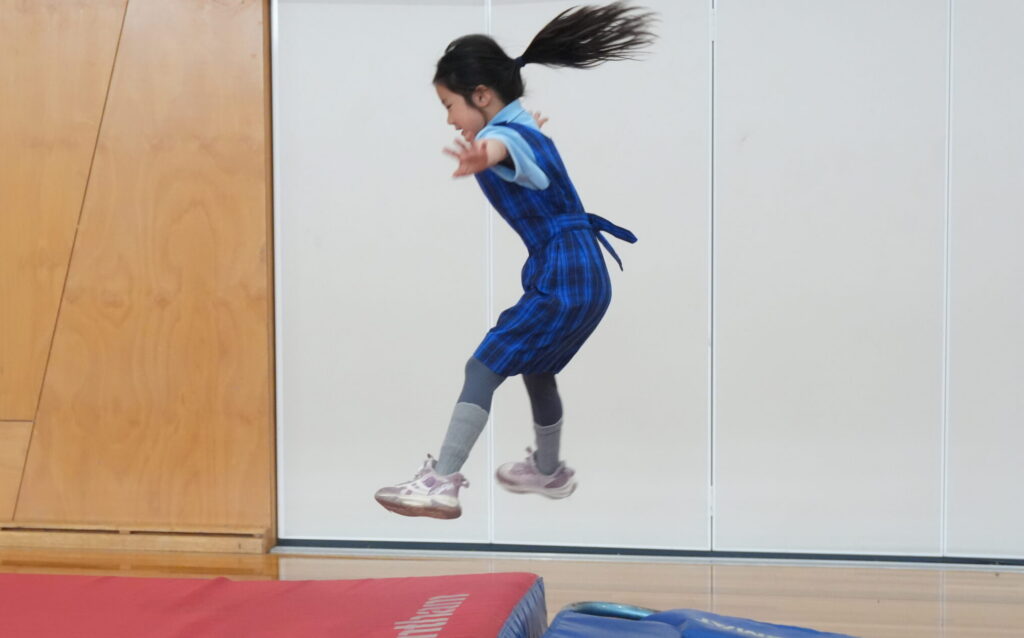
For me, the research confirms what I continue to see in schools every day. When children are given opportunities to move, play and connect, we are supporting far more than their physical health. We are helping them regulate their emotions, build confidence, strengthen relationships and become more ready to learn.